
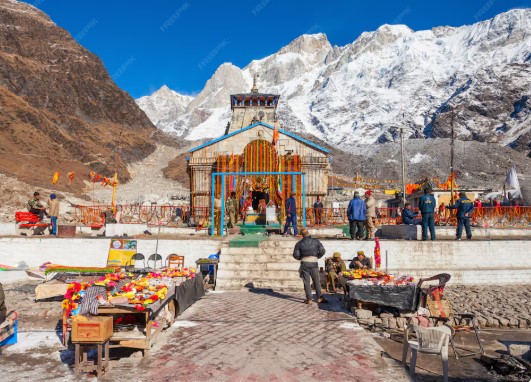
The journey to the four sacred shrines of the Himalayas — Yamunotri, Gangotri, Kedarnath and Badrinath — is more than just a travel plan. It is a spiritual experience, a connection to ancient traditions, and a challenge of endurance, faith, and reverence. For many pilgrims, booking a reliable Char Dham Yatra package simplifies logistics and ensures a balanced experience of comfort, safety, and devotion. In this article, we explore what you should know before selecting or embarking on a Char Dham Yatra package: route options, costs, best time to travel, preparations, and frequently asked questions. What Is the Char Dham Yatra? — Understanding the Sacred Circuit The Four Shrines: Yamunotri, Gangotri, Kedarnath & Badrinath Together, these four dham form the spiritual backbone of the Char Dham Yatra — a pilgrimage deeply embedded in Hindu faith and Himalayan heritage. Spiritual & Cultural Significance The Yatra is not simply a tour: it is a ritual journey, a path to spiritual introspection, and a way to engage with centuries-old traditions. For many pilgrims, visiting these shrines invokes blessings, a sense of humility, and a reconnection with the natural grandeur of the Himalayas. Types of Char Dham Yatra Packages & What They Offer When selecting a package, it’s vital to understand the variety and what each offers. Broadly, packages fall into the following categories: Road-Trip Packages (10–12 Days Approx.) This is the traditional route, typically starting from Haridwar, Rishikesh, Dehradun, or even Delhi. The journey covers: Costs for standard or basic road packages often begin from around ₹25,000–₹30,000 per person, with higher — “deluxe” or “luxury” packages — priced higher, depending on comfort and transport mode. Helicopter or Express Packages (4–6 Days) For those with time constraints, physical limitations, or preference for speed and comfort, some tour providers offer helicopter-based packages: Deluxe or Luxury Packages These are upgrades in comfort and convenience: private or smaller group transport (often sedans or Innova), better hotel accommodations (sometimes 4-star or equivalent), guided darshan processes, and sometimes optional extras like pony/palki services. These packages may appeal to travelers who prioritize comfort over budget — especially helpful after strenuous days of trekking or long drives in hilly terrain. Typical Cost Range and What Affects Pricing Major factors that affect cost: Best Time to Undertake Char Dham Yatra Why timing matters: Himalayan weather is unpredictable, and access to certain shrines or roads may be restricted during rains or snow. Booking during ideal season improves chances of a smooth, safe pilgrimage with pleasant weather and scenic mountain views. What to Expect & How to Prepare Permits, Registration & Safety What to Pack What Might Not Be Included Pros and Cons of Booking a Char Dham Yatra Package Advantages Challenges & Things to Watch Out For How to Choose the Right Char Dham Yatra Package for You Ask yourself these questions before booking: Key Travel Tips & Precautions Why Char Dham Yatra Continues to Draw Pilgrims Year After Year Frequently Asked Questions (FAQ) Q: Which temples are part of the Char Dham Yatra?A: The four temples are Yamunotri, Gangotri, Kedarnath, Badrinath. Together they form the revered Char Dham circuit. Q: How long does a complete Char Dham Yatra take by road?A: Typically around 10–12 days — depending on route, pace, weather, and which shrines you include in your plan. Q: Can the Yatra be completed faster?A: Yes — via helicopter-based packages, some travelers complete the circuit in 4–6 days. However, helicopter trips are subject to weather and generally more expensive. Q: What is the best time to go on Char Dham Yatra?A: May–June and September–October. Monsoon season is risky due to possible landslides, and temples are closed in winter (Nov–Apr) due to snow. Q: What should I pack for the pilgrimage?A: Warm clothes, waterproof gear (raincoat/poncho), trekking shoes, personal medicines, a power bank, basic medical kit, and valid ID for registration. Q: Are meals and accommodations included in packages?A: Most standard packages include vegetarian meals (breakfast & dinner) and shared lodging. Deluxe or luxury packages offer better accommodations and sometimes all meals.