1. Geographical and Historical Backdrop
Rajasthan lies in the northwestern part of India. Its terrain encompasses arid deserts (the iconic Thar Desert), rocky hills, aravalli ranges, lakes, and historic towns. Over centuries, the State has been shaped by Rajput dynasties and successive rulers, who built forts, palaces, temples and settlements — many of which still stand today as testimony to the region’s glorious past.
This heritage is central to Rajasthan’s identity: a “royal history” visible everywhere — in architecture, in palace walls, in traditions and in the very layout of ancient cities. Because of this diversity, Rajasthan appeals to a wide spectrum of interests: history lovers, nature admirers, adventurers, spiritual seekers and cultural travellers.
2. Iconic Cities and Landmarks
Jaipur — The Pink City
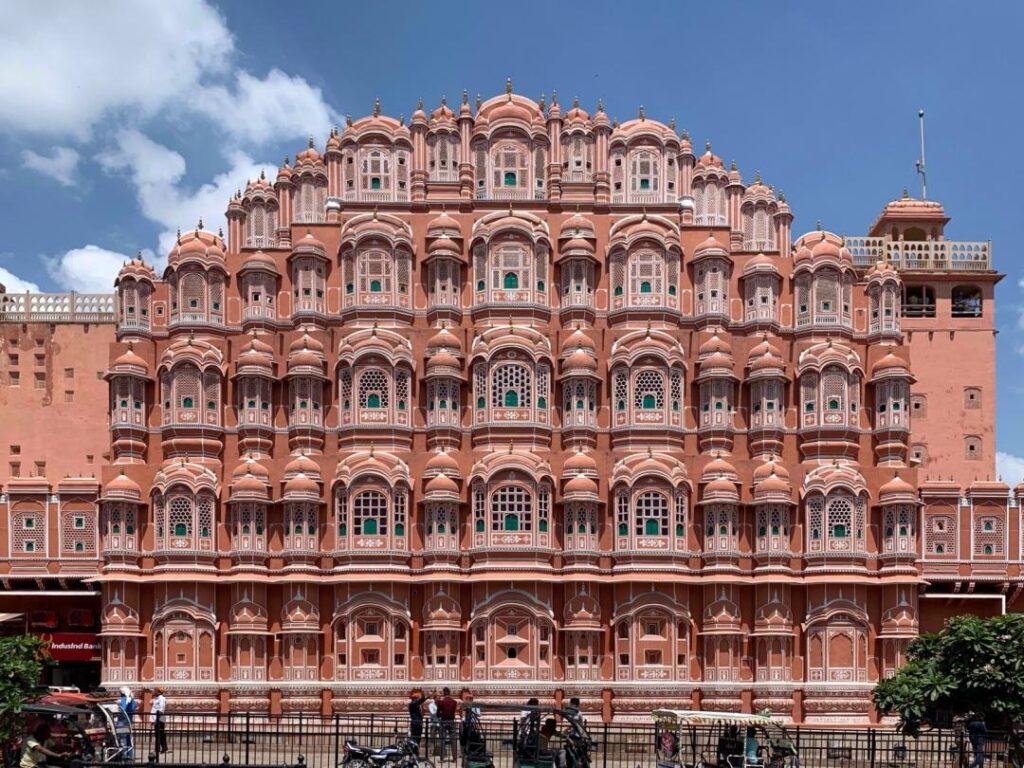
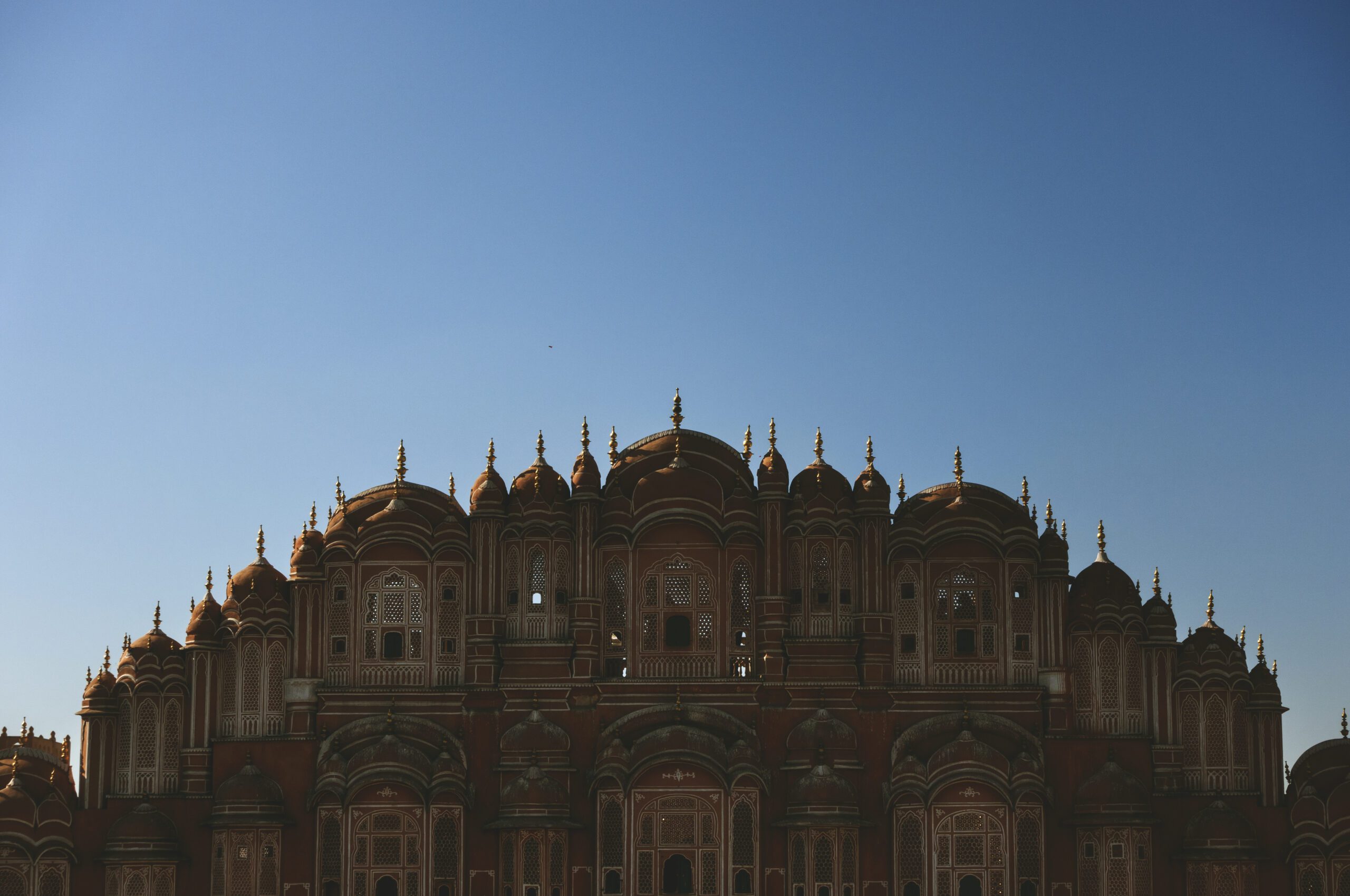
- One of the most visited cities in Rajasthan, Jaipur showcases royal grandeur with remarkable architecture. The ancient fortresses, palaces and urban layout reflect the legacy of rulers and kingdoms that once dominated the region.
- A prominent landmark is Amber Fort, perched on a hill with sweeping views over the surroundings. Built with sandstone and marble, its ornate gates, courtyards, and intricate designs draw admiration.
- Also in Jaipur is Albert Hall Museum, the oldest museum of the State — it offers a rich collection reflecting Rajasthan’s history, art and craftsmanship.
- The city blends history with the vibrancy of modern tourism, making it a great starting point for those new to Rajasthan.
Jaisalmer — The Golden Desert City
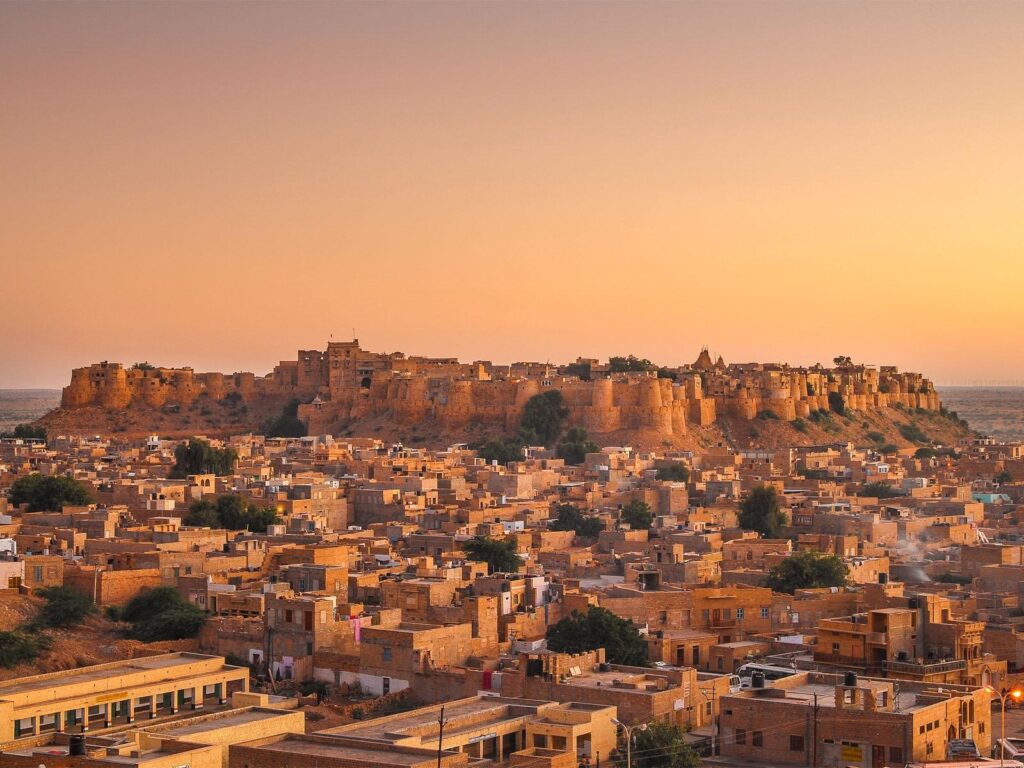
Known as the “Golden City,” Jaisalmer draws its charm from its honey-coloured sandstone architecture and its location in the heart of the desert.
- The famed Jaisalmer Fort — sometimes called “Golden Fort” — dates back to 1156 AD. It remains a living fort: many residents still inhabit the narrow lanes, homes, shops, temples and palaces within its walls.
- The atmosphere inside the fort and the surrounding old city evokes medieval times; every narrow lane, carved façade or ancient temple transports you to centuries gone by.
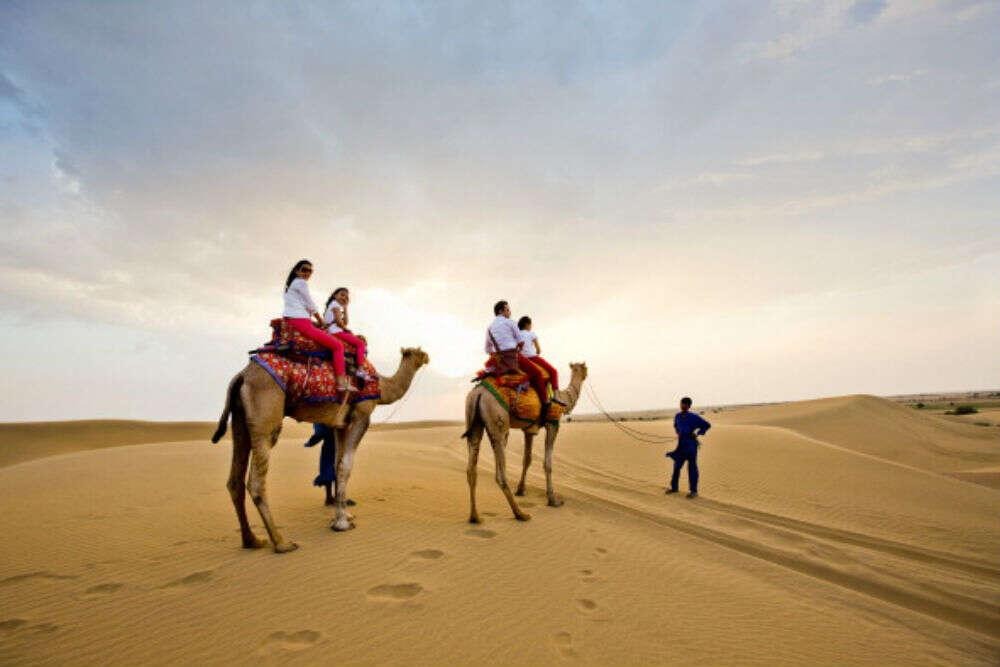
Outside the city lies the desert: the Sam Sand Dunes offer classic desert experiences — camel rides, jeep safaris, desert camping and mesmerising sunset or starry-night views. - For those seeking heritage, quiet charm and desert mystique, Jaisalmer stands out as a top destination.
Udaipur — The City of Lakes
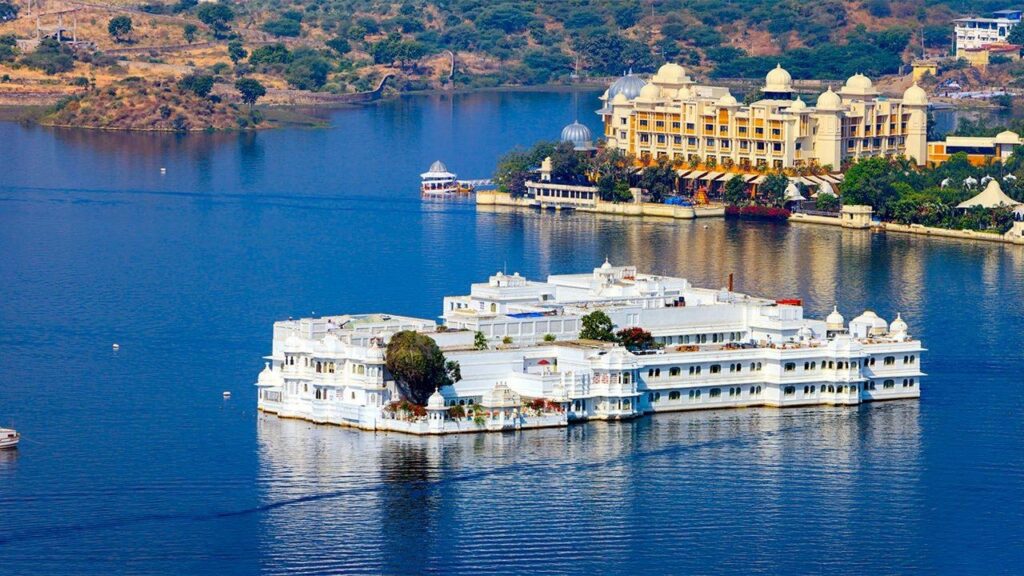
Known as the “City of Lakes,” Udaipur is often considered one of the most romantic cities in India. Tranquil lakes reflecting palaces, serene boat rides, and regal architecture make it a special place for couples or anyone seeking calm beauty.
- Visitors often enjoy the boat ride on Lake Pichola — a serene experience as the boat glides past palaces like the Lake Palace and the City Palace Udaipur.
- The blend of water, architecture and gentle hills provides a contrast to Rajasthan’s desert image — a reminder that this region holds more than sand and forts.
- For travellers seeking romance, luxury, peace or photography-perfect moments — Udaipur offers a distinctive charm.
Jodhpur — The Blue City & Marwar Majesty
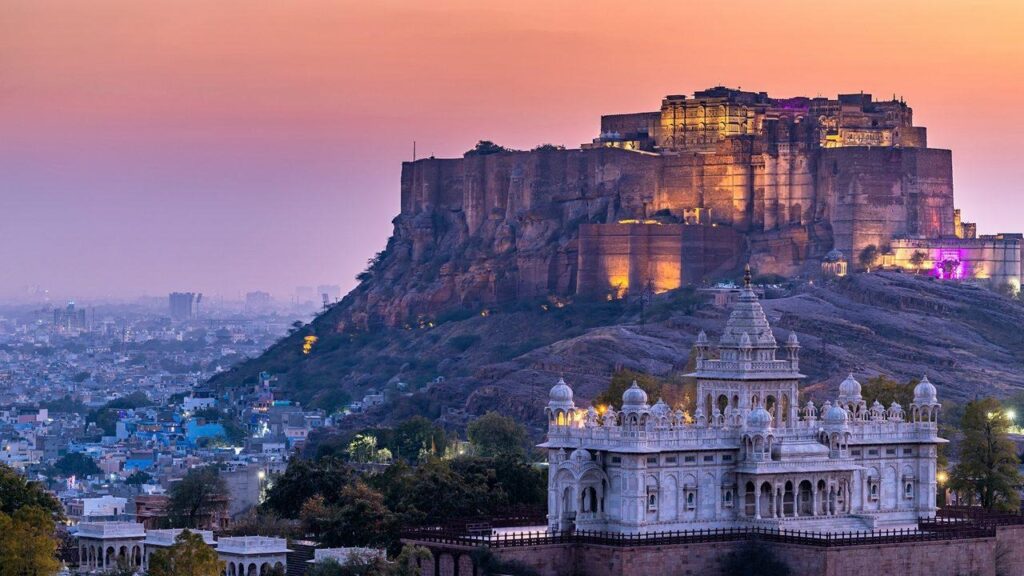
- Jodhpur is often referred to as the “Blue City,” due to many of its old houses painted in shades of blue — creating a striking contrast with the desert surroundings.
- The grand Mehrangarh Fort rises on a rocky hill, offering expansive views over the city. Its imposing presence evokes a sense of royal strength and historic significance.
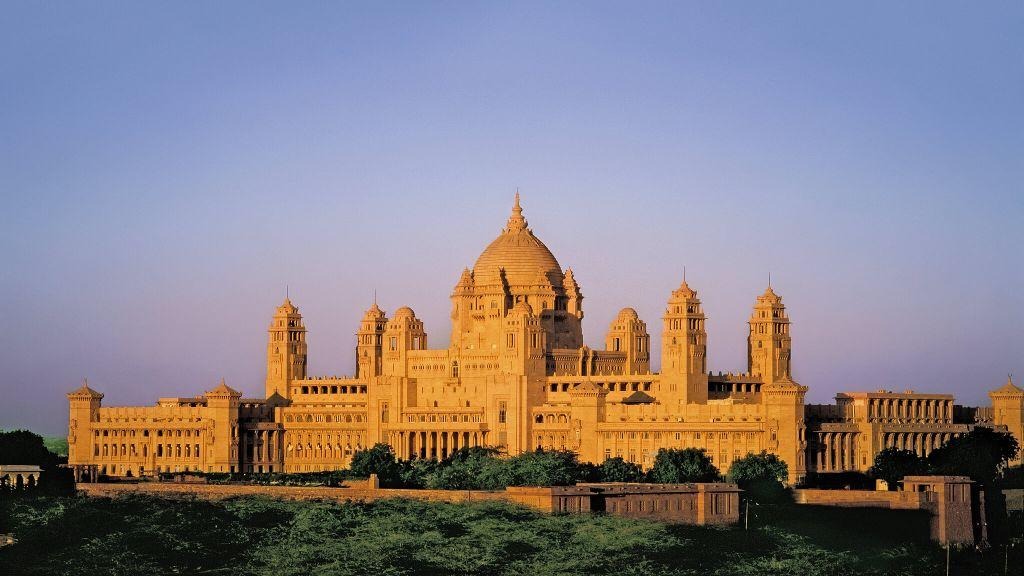
- Nearby, the Umaid Bhawan Palace stands as a testament to royal opulence. Part palace, part museum, part hotel — it reflects a blend of traditional and modern heritage.
- For culture lovers and history enthusiasts, Jodhpur combines ambience, grandeur, and a taste of old-world royalty with a living city’s vibrancy.
3. Desert, Wildlife & Nature: Beyond Palaces
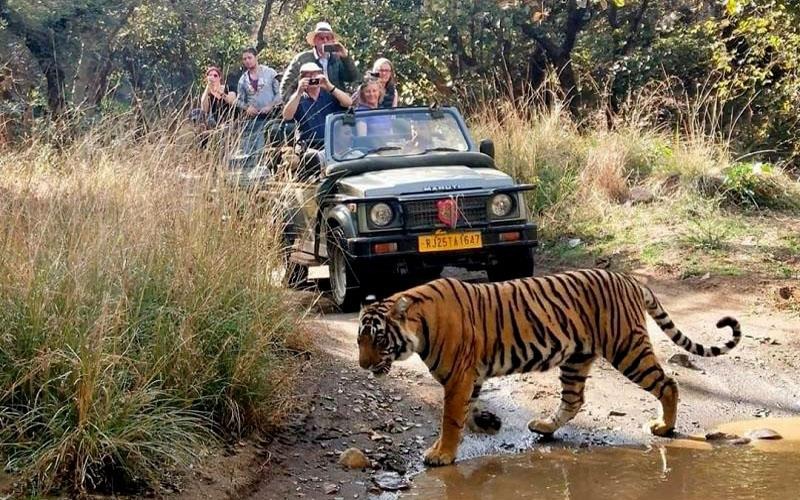
- Rajasthan’s diversity extends beyond deserts and forts. For those interested in wildlife and nature, there are opportunities ranging from tiger safaris to desert ecology.
The Ranthambore National Park — once royal hunting grounds — is now a sanctuary known for Bengal tigers, leopards, sloth bears and more. In the deserts near Jaisalmer, places like Desert National Park provide a glimpse of desert wildlife, including species adapted to arid climates — chinkara, desert foxes, and various birds. - Desert safaris — via camel or jeep — especially around dunes like Sam Sand Dunes, offer unforgettable experiences: starry-night camps, folk music under open skies, and the sheer expanse of sand shifting with winds and lights.
- For travellers who wish to step beyond heritage and architecture, Rajasthan’s land and wilderness add an appealing dimension of adventure and natural beauty.
4. Culture, Cuisine and Festivals
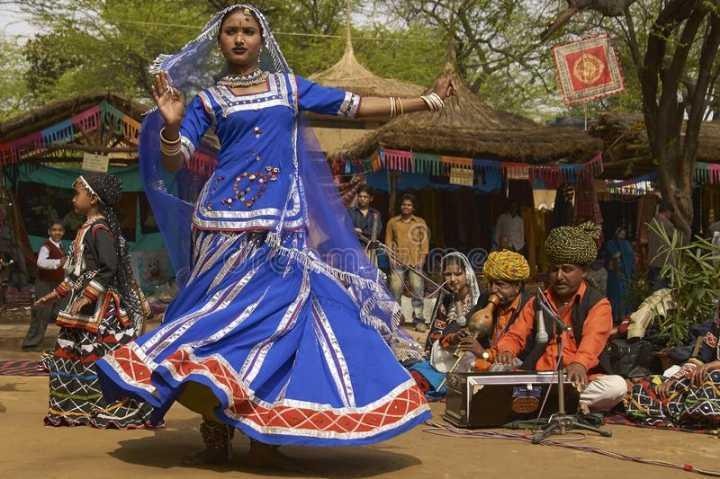
- Rajasthan’s cultural vibrancy is visible in its music, dance, handicrafts, textiles, traditions and lively festivals. Folk performances, traditional costumes, dances and music give travellers a sense of an age-old living heritage.
- Culinary experiences are a major part of the journey. Traditional dishes reflect both the regional climate and royal legacy: from rustic bread-and-lentil combinations to rich, spicy curries and sweet delicacies.
- Festivals and fairs add colour to the travel experience. One of the most iconic is Pushkar Camel Fair — a mix of livestock trading, cultural shows, folk music and traditional revelry around a sacred town and lake.
- Markets in old cities — selling handicrafts, textiles, jewellery, traditional artefacts — allow travellers to bring back a piece of Rajasthan’s heritage and craftsmanship. Many souvenirs also reflect the local artistry embedded in centuries-old crafts.
5. Travel Planning: When to Go, What to Know, How to Move
- Best Time to Visit: Given Rajasthan’s climate and diverse terrain, many travellers prefer the cooler months (post-monsoon to early spring) — when the heat is milder and travel is comfortable. The desert regions, lakes, and palaces are best enjoyed during pleasant weather.
- Transport and Connectivity: Major cities like Jaipur, Udaipur, Jodhpur, Jaisalmer are well connected by air, rail and roads. A route covering Jaipur → Udaipur → Jodhpur → Jaisalmer (or vice versa) makes a comprehensive circuit covering heritage, lakes, forts, desert and city life.
- Cultural Considerations: Rajasthan values traditions — modest attire, respect for local customs, especially in temples or sacred towns, is appreciated. Engaging with local music, food and tradition with respect adds depth to the experience.
- Accommodation and Stay: From heritage palaces (some converted into hotels) to desert camps, lakeside resorts, modest guest-houses — the range of accommodation aligns with varied budgets and travel preferences.
6. Why Rajasthan Captivates: The Experience
- Rajasthan offers a mosaic of contrasting experiences — from desert dunes under starlit skies to serene lakes at dawn; from ancient forts steeped in history to bustling bazaars full of local crafts.
- The sense of stepping into a different era — where time seems slower, tradition and history blend naturally with daily life — makes Rajasthan more than just a holiday destination.
- For anyone seeking depth — whether in history, nature, culture or simply memories that linger — Rajasthan gives a rich, layered experience that stays with you long after you leave.
7. Frequently Asked Questions (FAQs)
Q1: Which cities are must-visit when travelling to Rajasthan for the first time?
For a first visit, cities like Jaipur, Jodhpur, Udaipur and Jaisalmer cover diverse aspects: royal heritage, culture, lakes and desert.
Q2: Is Rajasthan suitable for a romantic getaway or honeymoon?
Yes — places like Udaipur (with its lakes and palaces) offer romantic settings. Desert camps near Jaisalmer also provide unique, memorable experiences.
Q3: Can one experience wildlife and nature in Rajasthan or is it only about forts and palaces?
Definitely — parks like Ranthambore National Park, deserts near Jaisalmer with wildlife, and natural landscapes offer opportunities for wildlife safaris, desert adventures and nature appreciation.
Q4: What about local food and cuisine — is there variety for vegetarians?
Yes. Rajasthani cuisine includes a variety of vegetarian dishes (traditional breads, lentils, sweets) rooted in local ingredients. Local flavours are rich and memorable.