The journey to the four sacred shrines of the Himalayas — Yamunotri, Gangotri, Kedarnath and Badrinath — is more than just a travel plan. It is a spiritual experience, a connection to ancient traditions, and a challenge of endurance, faith, and reverence. For many pilgrims, booking a reliable Char Dham Yatra package simplifies logistics and ensures a balanced experience of comfort, safety, and devotion.
In this article, we explore what you should know before selecting or embarking on a Char Dham Yatra package: route options, costs, best time to travel, preparations, and frequently asked questions.
What Is the Char Dham Yatra? — Understanding the Sacred Circuit
The Four Shrines: Yamunotri, Gangotri, Kedarnath & Badrinath
- Yamunotri — Revered as the origin of the sacred Yamuna River. Pilgrims trek or ride ponies/palkis to the temple from the base point (often Janki Chatti / Kharsali).
- Gangotri — The source of the Ganga River, considered divine and life-sustaining.
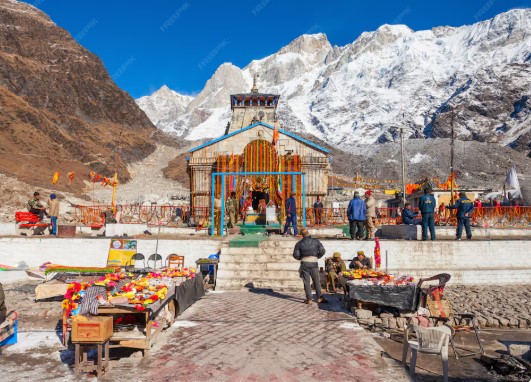
- Kedarnath — One of the 12 Jyotirlingas dedicated to Lord Shiva. It holds immense
religious significance and involves a steep hike/trek or helicopter/palanquin arrangements for darshan. - Badrinath — Sacred abode of Lord Vishnu, anchoring the pilgrimage circuit as a vital spiritual destination.
Together, these four dham form the spiritual backbone of the Char Dham Yatra — a pilgrimage deeply embedded in Hindu faith and Himalayan heritage.
Spiritual & Cultural Significance
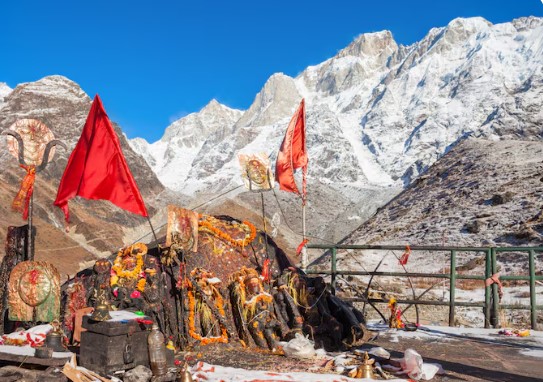
The Yatra is not simply a tour: it is a ritual journey, a path to spiritual introspection, and a way to engage with centuries-old traditions. For many pilgrims, visiting these shrines invokes blessings, a sense of humility, and a reconnection with the natural grandeur of the Himalayas.
Types of Char Dham Yatra Packages & What They Offer
When selecting a package, it’s vital to understand the variety and what each offers. Broadly, packages fall into the following categories:
Road-Trip Packages (10–12 Days Approx.)
This is the traditional route, typically starting from Haridwar, Rishikesh, Dehradun, or even Delhi. The journey covers:
- Yamunotri → Gangotri → Uttarkashi → Guptkashi → Kedarnath → Joshimath → Badrinath → Return
- Accommodations in hotels or guest-houses, meals (often vegetarian because of region’s traditional rules), transport in tempo-travellers or cars.
- Balanced pacing allowing for rest, weather delays, acclimatization, and darshan rituals.
Costs for standard or basic road packages often begin from around ₹25,000–₹30,000 per person, with higher — “deluxe” or “luxury” packages — priced higher, depending on comfort and transport mode.
Helicopter or Express Packages (4–6 Days)
For those with time constraints, physical limitations, or preference for speed and comfort, some tour providers offer helicopter-based packages:
- Helicopter-shuttle between key points reduces travel time significantly — entire circuit may be compressed into 5–6 days.
- Good option for senior citizens or travelers uncomfortable with long treks and mountain roads.
- Trade-offs: more expensive than road-trip versions; subject to weather conditions; shorter time for acclimatization.
Deluxe or Luxury Packages
These are upgrades in comfort and convenience: private or smaller group transport (often sedans or Innova), better hotel accommodations (sometimes 4-star or equivalent), guided darshan processes, and sometimes optional extras like pony/palki services.
These packages may appeal to travelers who prioritize comfort over budget — especially helpful after strenuous days of trekking or long drives in hilly terrain.
Typical Cost Range and What Affects Pricing
- Budget/Standard Packages: ~ ₹25,000–₹30,000 per person (for group tours, shared accommodations)
- Deluxe Packages: moderate increase depending on better lodging and smaller group size.
- Luxury or Helicopter Packages: significantly costlier (in rare cases helicopter-based travel may be several times more expensive than road packages) depending on season, availability, and services provided.
Major factors that affect cost:
- Season — summer and post-monsoon months are high demand.
- Mode of travel — helicopter or private vehicle vs shared tempo-traveller.
- Accommodation quality — basic lodges to deluxe hotels.
- Additional services — pony/palki, guide charges, VIP darshan, meals, etc.
Best Time to Undertake Char Dham Yatra
- Ideal Months: May–June and September–October. During these months the climate is moderate (10 °C–25 °C), skies are clearer, and roads are accessible.
- Avoid Monsoon (July–August): Heavy rainfall increases risk of landslides, roadblocks, and travel suspensions.
- Winter Closure: Temples remain closed during snow-heavy months (commonly November–April).
Why timing matters: Himalayan weather is unpredictable, and access to certain shrines or roads may be restricted during rains or snow. Booking during ideal season improves chances of a smooth, safe pilgrimage with pleasant weather and scenic mountain views.
What to Expect & How to Prepare
Permits, Registration & Safety
- Registration (often biometric) via official portals or counters (Haridwar, Rishikesh) is mandatory. Pilgrims must carry valid ID along with confirmation / ticket.
Choose licensed or registered tour operators. Unregistered services may offer lower prices but carry risks. - Basic medical kit recommended — altitude can be challenging, and some temples (like Kedarnath) involve steep treks or mountainous terrain.
What to Pack
- Warm clothes & trekking gear — even summer nights can be cold at high altitudes.
- Rain protection — ponchos/raincoats, waterproof shoes. Monsoon or sudden showers are not uncommon.
- Power bank, personal medicines, water purification tablets — connectivity and basic amenities may be limited in remote zones like Kedarnath.
- Comfortable trekking shoes — especially for the stretch to Yamunotri or Kedarnath temple from base points.
What’s Usually Included in a Package
- Stay in guest houses, lodges or hotels on a sharing or private basis.
- Meals (many packages offer only vegetarian, due to local customs/religious norms).
- Transport: tempo-travellers, shared vehicles or private cars; sometimes heli-shuttles for deluxe/helicopter packages.
- Darshan at all four temples, sometimes including pony/palki services or guided support.
What Might Not Be Included
- Insurance or medical evacuation (unless explicitly mentioned) — important given mountainous terrain and unpredictable weather.
- Personal expenses — snacks, drinks, camera fees, extra items — unless specified.
- Rescue or evacuation costs in case of natural calamities or force majeure events.
Pros and Cons of Booking a Char Dham Yatra Package
Advantages
- Saves effort in planning — route, stay, transport, food, permits — everything managed at once.
- Offers structure and safety, especially for first-time pilgrims or groups.
- Suitable for those who want balance between spiritual experience and comfort (especially deluxe / helicopter packages).
- Helps manage unpredictable weather and logistics in Himalayan terrain — having local support/travel-operator makes a difference.
Challenges & Things to Watch Out For
- During peak time, crowding can be intense — long lines for darshan, busy roads, and limited availability of comfortable lodging.
- Weather and natural events (rain, landslides, floods) can lead to delays, closures, or re-routing.
- Budget packages may compromise comfort (basic lodging, crowded transports).
- Trekking requirement for some shrines (like Yamunotri, Kedarnath) can be physically demanding — not ideal for everyone without proper preparation.
How to Choose the Right Char Dham Yatra Package for You
Ask yourself these questions before booking:
- What is my budget? — If limited, go for standard/group packages. If budget allows and comfort is priority, consider deluxe or helicopter-based packages.
- What is my physical stamina? — Treks to Yamunotri and Kedarnath can be taxing. If you prefer minimal exertion (especially senior citizens or those with mobility constraints), heli packages or pony/palki services are better.
- How much time do I have? — Complete road-trip package requires ~10–12 days; helicopter packages can do it faster, but at higher cost.
- When am I traveling? — Plan between May–June or September–October for better weather, accessibility, and fewer disruptions.
- Do I need flexibility? — Avoid tight itineraries; expect delays due to weather or terrain. Packages that allow buffer days for rest or contingencies are safer.
Key Travel Tips & Precautions
- Register through the official route/portal and carry identity proof.
- Pack warm clothes, waterproof gear, trekking shoes, a reliable power bank, and a basic medical kit.
- Prefer authorized or experienced travel operators. Ask for clear, day-by-day itinerary, hotel names, vehicle type, and emergency responses.
- Be prepared for potentially limited connectivity and basic amenities in remote locations like Kedarnath or Yamunotri base points.
- Monitor weather updates, local advisories, and be flexible — Himalayan terrain can change suddenly.
Why Char Dham Yatra Continues to Draw Pilgrims Year After Year
- Deep spiritual resonance tied to centuries-old tradition; shrines that evoke reverence, devotion and inner calm.
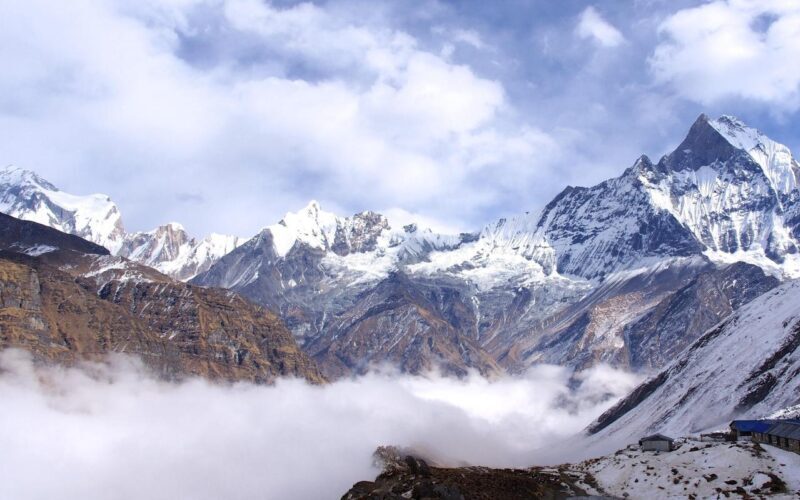
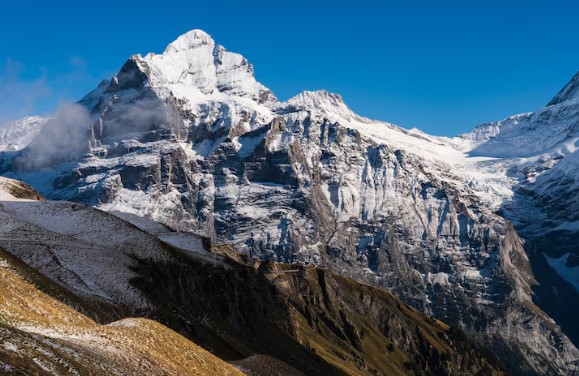
- Majestic Himalayan landscapes — snow-capped peaks, verdant valleys, pristine rivers — giving pilgrims both natural and spiritual awe.
- The sense of journey — physical, emotional, spiritual — making the pilgrimage transformative and memorable.
- Variety of packages to suit different needs: from austerity-minded seekers to senior citizens seeking safe, comfortable passage.
Frequently Asked Questions (FAQ)
Q: Which temples are part of the Char Dham Yatra?
A: The four temples are Yamunotri, Gangotri, Kedarnath, Badrinath. Together they form the revered Char Dham circuit.
Q: How long does a complete Char Dham Yatra take by road?
A: Typically around 10–12 days — depending on route, pace, weather, and which shrines you include in your plan.
Q: Can the Yatra be completed faster?
A: Yes — via helicopter-based packages, some travelers complete the circuit in 4–6 days. However, helicopter trips are subject to weather and generally more expensive.
Q: What is the best time to go on Char Dham Yatra?
A: May–June and September–October. Monsoon season is risky due to possible landslides, and temples are closed in winter (Nov–Apr) due to snow.
Q: What should I pack for the pilgrimage?
A: Warm clothes, waterproof gear (raincoat/poncho), trekking shoes, personal medicines, a power bank, basic medical kit, and valid ID for registration.
Q: Are meals and accommodations included in packages?
A: Most standard packages include vegetarian meals (breakfast & dinner) and shared lodging. Deluxe or luxury packages offer better accommodations and sometimes all meals.