
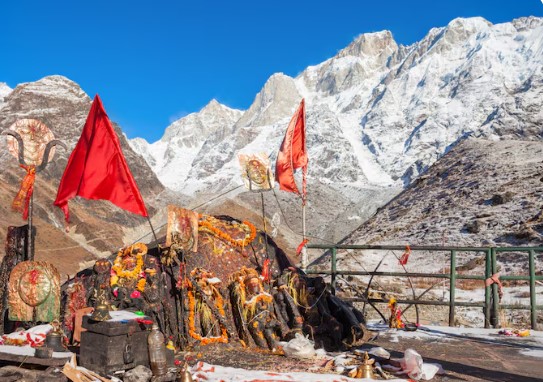
Travelers seeking spiritual calm, mountain air, forested valleys, and culturally rich destinations often find their answer in uttarakhand tour packages. Nestled in the northern Himalayan belt of India, Uttarakhand offers a rare blend of pilgrimage heritage, alpine adventure, wildlife sanctuaries, and serene hill stations. Each journey through this state carries emotional depth, visual richness, and cultural meaning. This detailed guide explains what makes Uttarakhand a favored travel destination, how tour packages shape meaningful experiences, and what travelers should evaluate while planning a journey across this sacred land. Why Uttarakhand Holds a Unique Place in Indian Tourism Uttarakhand is widely regarded as Devbhoomi, the land of gods. Ancient temples, sacred rivers, and mythological landmarks coexist with pine forests, snow-fed peaks, and quiet villages. Travelers arrive for many reasons: devotion, self-discovery, adventure, photography, wellness, or family retreats. Unlike destinations centered on a single attraction, uttarakhand tour packages combine varied experiences across regions such as Garhwal and Kumaon. This variety allows travelers to shape journeys that reflect personal interests rather than fixed itineraries. Geographical Diversity That Shapes Travel Experiences Uttarakhand’s terrain ranges from lowland plains to high Himalayan elevations. Each zone supports a different travel mood. The Himalayan Belt Snow-covered mountains, glaciers, and alpine meadows dominate this region. Areas like Auli, Chopta, and Munsiyari attract trekkers and mountain lovers. Hill Stations and Valleys Mussoorie, Nainital, Ranikhet, and Almora provide cooler climates, colonial charm, and scenic viewpoints. These towns remain central highlights of uttarakhand tour packages. River Plains and Forest Reserves Haridwar, Rishikesh, and Jim Corbett National Park offer river-based spirituality, wildlife exploration, and eco-tourism opportunities. This geographic range allows tour planners to create itineraries that move smoothly between nature, culture, and reflection. Spiritual Tourism and Pilgrimage Circuits Spiritual travel forms a core pillar of Uttarakhand tourism. Pilgrims visit year-round, guided by faith and tradition. Char Dham Yatra The Char Dham circuit includes Yamunotri, Gangotri, Kedarnath, and Badrinath. These sacred sites draw devotees seeking purification and blessings. Many uttarakhand tour packages focus on this route with logistical support, accommodation planning, and guided assistance. Haridwar and Rishikesh Haridwar hosts the sacred Ganga Aarti, while Rishikesh attracts yoga seekers and spiritual learners from across the world. These towns combine devotion with learning, meditation, and river rituals. Spiritual tour packages respect cultural sensitivities while supporting traveler comfort and safety. Hill Stations Included in Uttarakhand Tour Packages Hill stations in Uttarakhand remain popular among families, couples, and solo travelers. Mussoorie Known as the Queen of Hills, Mussoorie features scenic roads, colonial architecture, waterfalls, and mountain views. Nainital Built around a pear-shaped lake, Nainital blends boating experiences with markets, temples, and viewpoints. Ranikhet and Almora These quieter hill towns attract travelers seeking peace, forest walks, and Himalayan panoramas. Well-designed uttarakhand tour packages balance sightseeing with rest, avoiding rushed schedules. Adventure Tourism Across Uttarakhand Adventure seekers find varied opportunities across Uttarakhand’s terrain. Trekking and Hiking Popular treks include Valley of Flowers, Kedarkantha, Roopkund, and Har Ki Dun. These routes offer changing landscapes, alpine flora, and cultural encounters. River Rafting Rishikesh remains a center for rafting on the Ganga, drawing beginners and experienced rafters alike. Skiing and Snow Activities Auli hosts winter sports, cable car rides, and snow-based recreation. Adventure-focused uttarakhand tour packages include trained guides, safety planning, and suitable accommodation. Wildlife and Nature-Based Travel Experiences Nature lovers appreciate Uttarakhand for its protected reserves and biodiversity. Jim Corbett National Park India’s oldest national park offers tiger safaris, birdwatching, and forest stays. Rajaji National Park Located near Haridwar, Rajaji supports elephant corridors and bird habitats. Wildlife-focused itineraries emphasize responsible tourism, forest regulations, and seasonal planning. Cultural Heritage and Local Traditions Uttarakhand’s culture reflects mountain life shaped by geography and spirituality. Travelers experience: Many uttarakhand tour packages incorporate village visits and cultural interactions that foster respectful tourism. Wellness, Yoga, and Meditation Retreats Rishikesh has gained global recognition as a yoga and meditation destination. Ashrams, retreat centers, and wellness resorts welcome international travelers seeking inner balance. Wellness itineraries often include: Such experiences appeal to travelers seeking mental clarity alongside scenic surroundings. Seasonal Travel Planning for Uttarakhand Each season presents a different character. Summer (March to June) Ideal for hill stations and family travel. Monsoon (July to September) Lush greenery appears, though landslides may affect travel routes. Autumn (October to November) Clear skies and festival celebrations define this period. Winter (December to February) Snowfall attracts winter sports enthusiasts and honeymoon travelers. Season-aware uttarakhand tour packages account for weather conditions and accessibility. Accommodation Options Across Uttarakhand Travelers find varied accommodation styles: Tour packages often bundle stays based on comfort preferences and itinerary structure. Transportation and Accessibility Uttarakhand connects via road, rail, and limited air routes. Major entry points include Dehradun, Haridwar, Kathgodam, and Pantnagar. Professional tour planning supports: This coordination enhances travel comfort, especially in hilly terrain. Food and Culinary Experiences Uttarakhand cuisine emphasizes seasonal ingredients and simple preparation. Popular dishes include: Many travelers enjoy regional meals as part of immersive uttarakhand tour packages. Safety, Comfort, and Responsible Travel Responsible tourism holds importance in Uttarakhand’s fragile ecosystem. Travelers are encouraged to: Tour operators play a role by promoting ethical travel practices. Choosing the Right Uttarakhand Tour Package Travelers evaluate packages based on: Clear itineraries and transparent inclusions support confident booking decisions. Conclusion Journeys through Uttarakhand offer spiritual depth, natural beauty, and cultural richness that few regions combine so harmoniously. Thoughtfully planned uttarakhand tour packages help travelers navigate this diversity with clarity and comfort. Whether the goal involves devotion, adventure, wellness, or leisure, Uttarakhand continues to welcome visitors with timeless grace and quiet strength. Frequently Asked Questions (FAQs) What destinations are usually included in uttarakhand tour packages? Common inclusions feature Haridwar, Rishikesh, Mussoorie, Nainital, Jim Corbett, Auli, Kedarnath, and Badrinath. Are uttarakhand tour packages suitable for family travel? Yes. Many itineraries cater to families with balanced sightseeing, comfortable stays, and moderate travel distances. What is the ideal duration for a Uttarakhand trip? Trips range from short 4–5 day hill station visits to 10–14 day pilgrimage or adventure itineraries. Do tour packages include pilgrimage assistance? Pilgrimage-focused packages often include transport, accommodation, and route planning support. Is Uttarakhand suitable for solo travelers? Yes. Hill towns, yoga centers, and trekking routes attract solo travelers seeking reflection and nature. What should travelers pack for Uttarakhand tours? Clothing varies by season. Warm layers, comfortable shoes, rain protection, and personal medication remain essential.
Top Spiritual Destinations in the Indian Himalayas You Must Visit in 2026
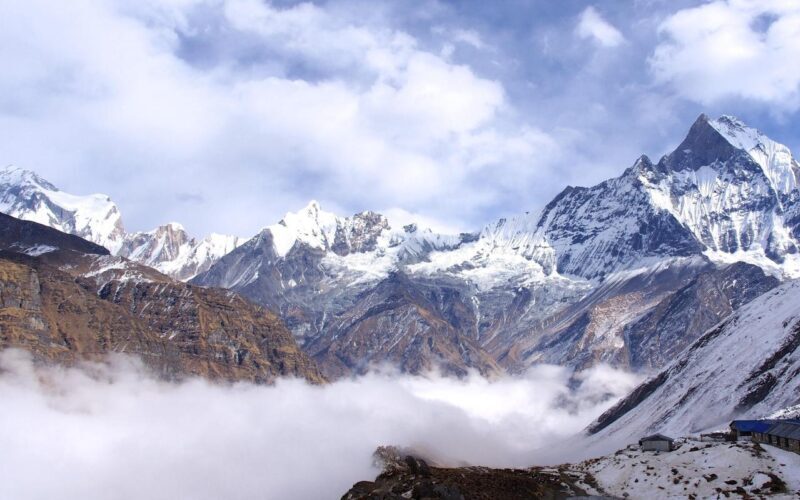
The Indian Himalayas have long been revered as the sacred dwelling of gods, sages, and spiritual seekers. Towering mountain ranges, snow-covered peaks, and tranquil valleys create a setting that naturally invites reflection, devotion, and inner awakening. For centuries, pilgrims, saints, monks, and travelers have journeyed to this region in pursuit of peace, enlightenment, and a deeper connection with the divine. Home to ancient Hindu temples, revered Buddhist monasteries, and globally recognized yoga centers, the Himalayas present a powerful blend of spirituality and natural grandeur. Each destination carries its own spiritual legacy, offering visitors a chance to experience meditation, pilgrimage, and self-discovery amid breathtaking landscapes. This guide explores the top spiritual destinations in the Indian Himalayas that deserve a all India travel agency on your travel plans for 2026, highlighting locations that continue to inspire faith, mindfulness, and spiritual growth. 1. Kedarnath Temple, Uttarakhand Situated at an altitude of 11,755 feet, Kedarnath is one of the most revered Hindu shrines dedicated to Lord Shiva. It is part of the Char Dham pilgrimage and holds an utmost and immense significance in Indian mythology. Trek to Kedarnath is not just a journey of faith but also a test of endurance, offering breathtaking views of snow-clad peaks. Best time to visit: May to October 2. Badrinath Temple, Uttarakhand Dedicated to Lord Vishnu, Badrinath is another Char Dham destination and among the holiest places in India. Nestled between Nar and Narayan mountain ranges, the temple attracts thousands of devotees each year. The sacred Alaknanda River flowing nearby adds to the spiritual aura. Best time to visit: May to October 3. Rishikesh – The Yoga Capital of the World Rishikesh is located along the Ganges, is globally famous as the hub of yoga and meditation. Ashrams and yoga centers here attract spiritual seekers from across the globe. The evening Ganga Aarti at Triveni Ghat is an unforgettable experience. Many visitors come not just for devotion but also for self-discovery through meditation and Ayurveda. Best time to visit: Year-round (except peak monsoons) 4. Amarnath Cave, Jammu & Kashmir Located at 12,756 feet, the Amarnath cave shrine is dedicated to Lord Shiva & is famous for the naturally formed ice Shivlinga. The annual Amarnath Yatra draws thousands of pilgrims who brave challenging terrain to seek blessings. Best time to visit: July to August (during the yatra) 5. Vaishno Devi Temple, Jammu One of India’s most popular pilgrimage sites, Vaishno Devi, is dedicated to Goddess Durga. Pilgrims undertake a 13 km trek from Katra to the holy cave temple. The belief is that no devotee leaves empty-handed from here. Best time to visit: March to October, though it’s open year-round 6. Gangotri and Yamunotri, Uttarakhand These two sacred shrines are dedicated to Goddess Ganga and Goddess Yamuna. Both are part of the Char Dham Yatra and symbolize the origin of India’s most revered rivers. Pilgrims visit these high-altitude temples to experience purity, devotion, and peace. Best time to visit: May to October 7. Hemis Monastery, Ladakh Hemis Monastery is one of the most significant Buddhist monasteries in Ladakh. Known for the annual Hemis Festival, it celebrates Guru Padmasambhava, who spread Buddhism in the Himalayas. The monastery houses ancient scriptures, thangkas (Tibetan paintings), and an aura of deep meditation. Best time to visit: June to September 8. Tawang Monastery, Arunachal Pradesh The Tawang Monastery is the largest in India and the second largest in the world. Perched at 10,000 feet, it offers a glimpse into Tibetan Buddhism. The chants of monks, vibrant prayer flags, and stunning mountain scenery make it one of the most spiritually uplifting destinations in the Northeast Himalayas. Best time to visit: March to October 9. Dharamshala & McLeodganj, Himachal Pradesh Home to the Dalai Lama, Dharamshala and McLeodganj are centers of Tibetan Buddhism. The monasteries, meditation centers, and Tibetan culture attract both spiritual seekers and travelers. The peaceful environment makes it ideal for yoga retreats and self-reflection.Best time to visit: March to June, September to November Why the Himalayas Inspire Spiritual Journeys? The Himalayas are much more than towering peaks and deep valleys—they are a sacred sanctuary where spirituality lives in every breath of the land. Centuries-old temples, monasteries, and meditation retreats still carry the devotion of sages and pilgrims who walked these paths before us. The Himalayas never failed to inspire wonder with their towering peaks, silent valleys, and rivers that flow in untouched purity, creating a peace unlike any other. For many, these mountains are a place to seek blessings; for others, they are a source of Buddhist wisdom or a haven for meditation. Final Thoughts Also called the heart of spirituality, the Indian Himalayas are home to some of the country’s most revered sites. From Kedarnath and Badrinath in Uttarakhand to the peaceful Hemis Monastery in Ladakh and the majestic Tawang Monastery in Arunachal Pradesh, every destination opens a path to serenity and divine connection. If you’re planning a journey in 2025, consider making it more than just a trip—make it a spiritual experience in the Himalayas.
Dubai Tour Packages: A Complete Travel Guide for Luxury, Culture, and Adventure

Dubai stands as one of the world’s most fascinating travel destinations. A city built on ambition, cultural pride, and architectural excellence, it attracts travelers seeking indulgence, discovery, and unforgettable experiences. From towering skyscrapers to desert horizons, curated Dubai tour packages bring structure, comfort, and value to every journey. This guide explains how Dubai tour packages help travelers explore the city with clarity, comfort, and memorable planning. Each section explains experiences in detail, helping travelers choose packages that match expectations, budgets, and travel styles. Why Dubai Remains a Global Tourism Favorite Dubai attracts millions of visitors every year due to its rare ability to blend heritage with luxury. Ancient trading roots coexist with futuristic landmarks, offering variety within a compact destination. Travelers find modern malls beside historic souks. Desert silence contrasts with lively nightlife. This balance makes Dubai tour packages suitable for families, couples, solo travelers, and corporate groups. Tourism authorities maintain high standards across transport, accommodation, safety, and visitor services. This consistency builds confidence for international travelers planning their first Middle East visit. What Are Dubai Tour Packages? Dubai tour packages refer to pre-arranged travel plans covering accommodation, transfers, guided sightseeing, selected meals, and experiences. These packages remove planning complexity while controlling costs. Packages differ based on duration, themes, accommodation category, and inclusions. Some focus on luxury travel. Others highlight cultural discovery, family attractions, or desert experiences. Travel agencies coordinate logistics so visitors enjoy smooth movement across attractions without schedule confusion. Types of Dubai Tour Packages Available Luxury Dubai Tour Packages Luxury-focused Dubai tour packages include premium hotels, private airport transfers, fine dining reservations, and curated experiences such as yacht cruises or private desert camps. Five-star resorts near Palm Jumeirah and Downtown Dubai often anchor these packages. Guests enjoy personal assistance, spa experiences, and curated city tours. This category suits honeymoon travelers, executives, and travelers seeking refined comfort. Family-Friendly Dubai Tour Packages Families prefer Dubai tour packages that balance sightseeing with interactive attractions. These packages include theme parks, aquariums, beaches, and entertainment zones. Popular inclusions: Family packages focus on convenience, safety, and relaxed pacing. Adventure-Focused Dubai Tour Packages Adventure lovers explore Dubai beyond city streets. These Dubai tour packages include dune bashing, sandboarding, quad biking, skydiving, and hot air balloon rides. The Arabian Desert forms the heart of these experiences. Evening safaris add cultural performances and traditional dining. Adventure packages suit thrill-seekers who want excitement balanced with comfort. Cultural and Heritage Dubai Tour Packages Culture-oriented Dubai tour packages highlight Emirati heritage and historical districts. Common inclusions: Guided tours explain traditions, architecture, and local customs. These packages attract travelers seeking meaningful cultural understanding. Budget-Friendly Dubai Tour Packages Budget-conscious travelers find Dubai tour packages designed with cost control and essential experiences. Such packages include: Despite lower pricing, these packages still offer memorable city experiences. Burj Khalifa Experience Standing as the tallest structure on Earth, Burj Khalifa forms the highlight of most Dubai tour packages. Observation decks offer citywide views, especially striking at sunset. Packages may include skip-the-line access or premium lounge visits. Dubai Mall and Fountain Show Dubai Mall combines retail, dining, and entertainment. Evening fountain shows add visual appeal. Many Dubai tour packages schedule visits during evening hours for optimal experience. Desert Safari Adventures Desert safaris form a signature element of Dubai tour packages. Guests travel into sand dunes, enjoy thrilling rides, and relax at traditional camps. Cultural performances and local cuisine complete the evening. Palm Jumeirah and Atlantis Palm Jumeirah features luxury resorts and waterfront views. Packages include monorail rides, Aquaventure visits, and beach time. Dubai Marina and Dhow Cruise Evening dhow cruises along Marina waters combine skyline views with dining. Many Dubai tour packages include this relaxing experience. Ideal Duration for Dubai Tour Packages The length of Dubai tour packages depends on travel goals. Longer stays allow relaxed pacing and optional excursions. Best Time to Book Dubai Tour Packages Dubai experiences pleasant weather between November and March. During this period, outdoor attractions remain comfortable. Summer months offer reduced pricing. Many travelers choose summer Dubai tour packages for affordability, focusing on indoor attractions. Festival seasons such as Dubai Shopping Festival attract visitors seeking events and discounts. Accommodation Choices in Dubai Tour Packages Hotels play a vital role in shaping travel experience. Options include: Dubai tour packages categorize hotels based on star rating, location, and amenities. Transportation and Connectivity Dubai offers efficient transport systems. Tour packages include private transfers, shared coaches, or luxury vehicles. Metro access simplifies independent exploration during free hours. Visa Support Through Dubai Tour Packages Many Dubai tour packages include visa assistance. Travel agencies guide documentation requirements and processing timelines. This service benefits first-time international travelers. Dining Experiences Included Dubai’s culinary scene reflects global influence. Packages include buffet meals, traditional Emirati dishes, or international cuisine. Luxury packages offer curated dining venues with skyline views. Shopping Opportunities in Dubai Tour Packages Shopping remains central to Dubai tourism. Packages include mall visits and traditional markets. Popular shopping spots: Tax-free shopping attracts international buyers. Safety and Travel Comfort Dubai maintains strong safety standards. Tourists enjoy well-regulated services, clean public spaces, and reliable healthcare access. Travel agencies monitor itinerary quality and guest support throughout the journey. How Dubai Tour Packages Support First-Time Visitors First-time visitors often feel overwhelmed by city options. Dubai tour packages remove uncertainty through guided planning, fixed schedules, and local support. Travelers gain confidence through structured experiences. Choosing the Right Dubai Tour Package Selecting the right package requires clarity on: Reliable agencies explain inclusions transparently and suggest suitable options. Sustainable Tourism Practices in Dubai Dubai invests in sustainable tourism initiatives. Eco-friendly desert camps and responsible wildlife experiences form part of select packages. Travelers supporting sustainability contribute to long-term tourism balance. Dubai Tour Packages for Corporate Travelers Corporate packages include conference transfers, business-class hotels, and leisure add-ons. These packages support business trips combined with city exploration. Why Travel Agencies Add Value Professional agencies bring destination expertise, local coordination, and emergency support. Their experience reduces travel risks. This professional support strengthens the appeal of Dubai tour packages. Closing Thoughts Dubai offers diversity unmatched by many destinations. Organized Dubai tour packages help travelers experience luxury, heritage, and adventure with clarity and confidence. Each journey becomes memorable through thoughtful planning, curated experiences, and professional guidance. Frequently Asked Questions (FAQs) What do Dubai tour packages usually include? Most packages include accommodation, airport transfers, sightseeing tours, and selected meals. Are Dubai tour packages suitable for families? Yes. Family packages focus on entertainment parks, beaches, and child-friendly attractions. How much time is ideal for Dubai travel? Five to six days allow balanced sightseeing and relaxation. Do Dubai tour packages include desert safaris? Many packages include desert safaris as a highlight experience. Is visa assistance included in Dubai tour packages? Several travel agencies offer visa guidance as part of their packages. Can Dubai tour packages fit budget travelers? Yes. Budget-friendly options focus on essential experiences with mid-range hotels
West India Tour Packages: A Complete Travel Guide to Culture, Coastlines, Heritage & Experiences
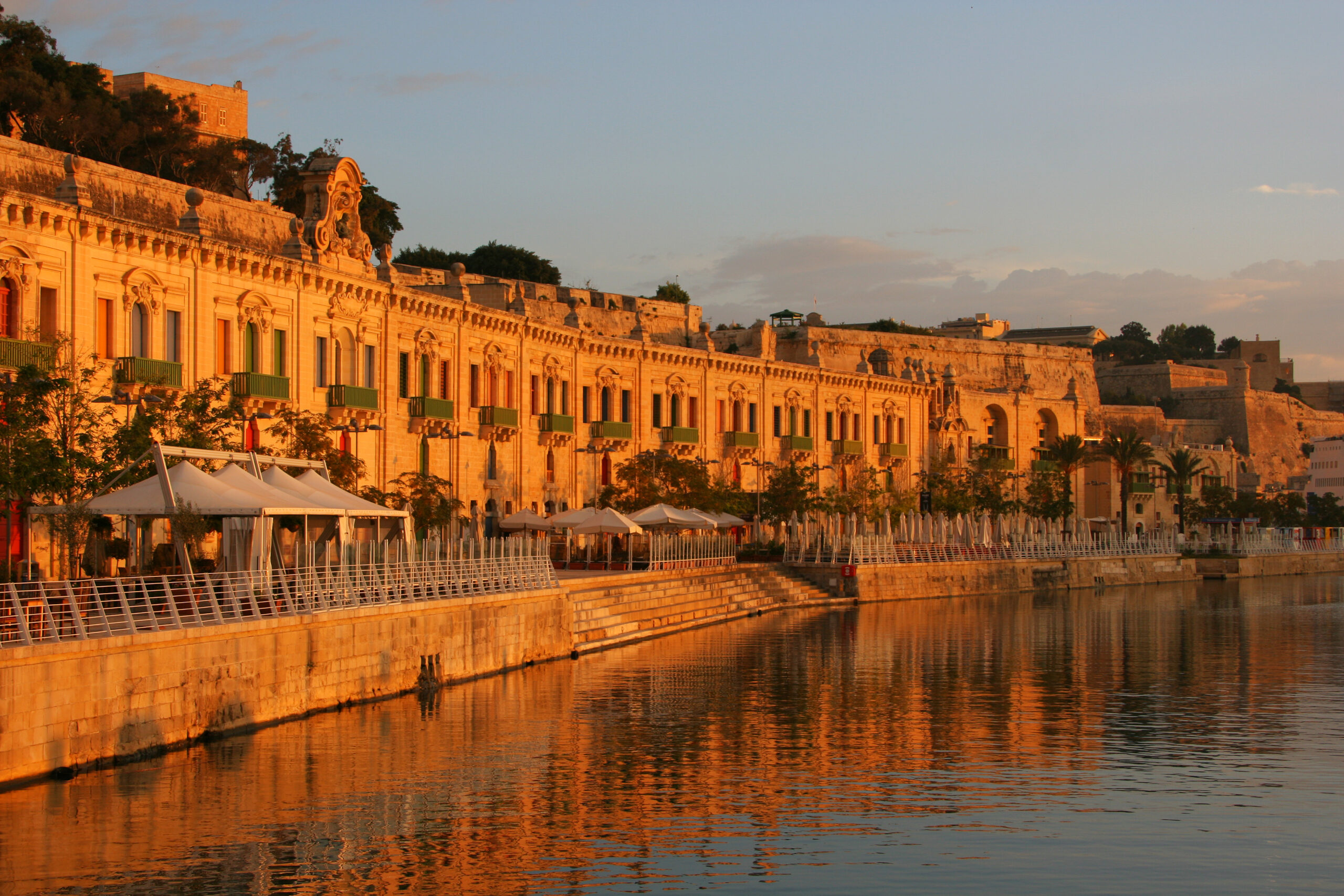
India’s western region presents a powerful mix of royal history, spiritual traditions, dramatic geography, coastal leisure, desert culture, and modern urban life. Travelers choosing West India tour packages often look for variety within a single journey, and this region offers exactly that. From ancient forts and palaces to pristine beaches and wildlife sanctuaries, West India appeals to solo explorers, families, couples, senior travelers, and cultural enthusiasts alike. Covering Gujarat, Maharashtra, Goa, and Dadra & Nagar Haveli, West India presents destinations that balance heritage depth with contemporary comfort. A carefully planned travel route allows visitors to witness centuries-old architecture, experience folk traditions, explore sacred temples, relax along the Arabian Sea, and engage with vibrant local communities. This guide explains how West India tour packages work, what destinations they include, seasonal travel considerations, itinerary structures, cultural highlights, food experiences, accommodation types, and frequently asked questions — all designed to help travelers make informed decisions. Understanding the Scope of West India as a Travel Region West India is not defined by a single cultural identity. Each state carries its own language, architectural style, cuisine, festivals, and lifestyle. That diversity makes West India tour packages appealing to travelers seeking contrast within one itinerary. States Commonly Included in West India Tours Tour packages may include one state or combine two or more based on travel duration and interests. Why Travelers Choose West India Tour Packages Cultural Depth Without Repetition Unlike regions where destinations feel similar, West India offers a noticeable shift in experience from one city to another. A traveler might explore a Rajput fort one day, attend a coastal seafood dinner another day, and visit a centuries-old Jain temple later in the same journey. Balanced Mix of Heritage and Leisure West India tour packages combine historical sightseeing with rest-focused experiences. Desert safaris, beach stays, lake views, and hill retreats create breathing space between cultural visits. Strong Connectivity Across Cities Major airports, express trains, highways, and internal flights make travel between West Indian destinations manageable for short and extended itineraries. Gujarat: Spiritual Sites, Wildlife, and Handcrafted Traditions Gujarat adds a quieter and spiritually rich dimension to West India tour packages. Key Destinations in Gujarat Tours Cultural Highlights Gujarat tours attract spiritual travelers, wildlife enthusiasts, and cultural explorers. Maharashtra: Urban Energy, Pilgrimage Routes, and Natural Escape Maharashtra offers scale and contrast within West India tour packages. Major Attractions Unique Experiences Maharashtra tours appeal to travelers seeking urban exposure alongside nature and heritage. Goa: Coastal Living and Colonial Heritage Goa plays a significant role in leisure-focused West India tour packages. Goa Travel Themes Goa tours suit honeymoon travelers, families, solo explorers, and international visitors. Dadra & Nagar Haveli: Forests, Rivers, and Quiet Retreat This lesser-known region offers calm travel experiences. Attractions Include Often included as short extensions in West India tour packages, this area appeals to travelers seeking low-crowd destinations. Types of West India Tour Packages Available Heritage-Focused Tours Designed for travelers interested in forts, palaces, temples, museums, and architectural storytelling. Family Travel Packages Include comfortable hotels, shorter travel hours, cultural shows, and flexible pacing. Honeymoon and Couple Tours Feature scenic stays, privacy-focused accommodations, lake views, beach resorts, and curated dining experiences. Senior-Friendly Travel Plans Offer easy transfers, relaxed sightseeing schedules, and centrally located hotels. Group Tours Planned itineraries with shared transportation and guided experiences. Ideal Travel Seasons for West India Tours October to March This period suits sightseeing, desert travel, wildlife safaris, and city walks. April to June Recommended mainly for hill stations and coastal regions such as Goa and Mahabaleshwar. July to September Monsoon months highlight green landscapes, waterfalls, and fewer crowds in select destinations. Accommodation Styles Across West India West India tour packages include various accommodation categories based on traveler preference. Hotel selection often depends on itinerary pace, city location, and comfort expectations. Food Experiences During West India Tours Food remains a memorable aspect of travel. Regional Highlights Many tour itineraries include local dining recommendations and cultural meal experiences. Travel Planning Factors to Consider Clear expectations help travelers choose suitable West India tour packages. Safety, Hygiene, and Travel Comfort Reputable tour providers focus on licensed guides, registered transport, verified hotels, and clear communication. Travelers are advised to follow local customs, respect heritage sites, and follow destination guidelines. Why West India Appeals to First-Time and Repeat Traveler West India supports varied travel goals. First-time visitors gain exposure to multiple cultures. Repeat travelers discover deeper regional experiences beyond popular routes. Closing Perspective: Planning Meaningful Journeys Across West India Travel across West India offers a layered experience that combines history, spirituality, leisure, and regional character. Carefully structured West India tour packages allow travelers to explore this diversity with clarity and comfort while respecting local traditions and pacing needs. Frequently Asked Questions (FAQs) What destinations are included in West India tour packages? Most packages include Gujarat, Maharashtra, and Goa. Some itineraries also cover Dadra & Nagar Haveli. How many days are ideal for a West India tour? Trips usually range between 7 and 14 days depending on the number of states included. Are West India tour packages suitable for families? Yes. Many itineraries are designed with family comfort, child-friendly attractions, and flexible schedules. Which season suits West India travel? October to March is widely preferred for cultural sightseeing and wildlife travel. Do these tours include guides? Most packages include local guides for heritage sites and city tours.
Adventure Travel Agency in India: How an All-India Travel Agency Creates Meaningful Exploration Experiences
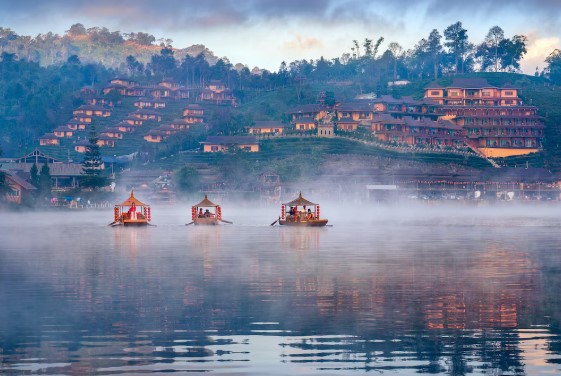
Adventure travel has grown from a niche interest into a serious travel segment across India. Travelers now look beyond sightseeing. They seek high-altitude treks, wildlife expeditions, desert safaris, river rafting, scuba diving, and culturally rooted outdoor experiences. Planning such journeys requires more than hotel bookings and transport arrangements. It requires route knowledge, safety awareness, regional coordination, and on-ground expertise. An all India travel agency with adventure specialization plays a central role in shaping such journeys. With coverage across multiple states, terrain familiarity, and logistical understanding, these agencies help travelers explore India’s diverse adventure destinations with clarity and confidence. This article explains how an adventure travel agency functions at a national level, the value it brings to travelers, and why choosing an all India travel agency matters for adventure-focused travel. What Is an Adventure Travel Agency? An adventure travel agency designs and manages travel experiences focused on physical activity, outdoor exploration, and nature-based challenges. These experiences often involve remote locations, climate variations, and terrain risks. Unlike conventional tour operators, an adventure travel agency focuses on: An all India travel agency expands this scope by offering adventure travel coverage across multiple regions such as the Himalayas, Western Ghats, Thar Desert, Andaman waters, and North-East forests. Why Adventure Travel Requires National-Level Expertise India’s geography changes dramatically every few hundred kilometers. High mountains, dense forests, deserts, coastlines, and river systems exist within the same country. Each region presents unique challenges. A local operator may know one destination well. An all India travel agency understands cross-region movement, regulatory norms, weather patterns, and emergency access across states. National-level expertise supports: This scope matters for travelers seeking varied adventure experiences across India. Popular Adventure Travel Experiences Across India Himalayan Trekking and Mountaineering The Indian Himalayas attract trekkers from across the world. Destinations such as Ladakh, Himachal Pradesh, Uttarakhand, and Sikkim offer trails suited for beginners and experienced climbers. An all India travel agency supports Himalayan travel through: Such planning reduces health risks linked to high altitudes. Desert Adventures in Rajasthan Desert travel involves camel safaris, dune camping, and off-road exploration. Rajasthan’s terrain requires navigation skills and local knowledge. A nationally operating agency coordinates: Travelers benefit from structured exploration without safety concerns. Wildlife and Jungle Exploration India hosts diverse wildlife zones including Ranthambore, Jim Corbett, Kaziranga, Bandhavgarh, and Periyar. Jungle travel demands permit awareness and habitat respect. An all India travel agency manages: Such planning supports ethical wildlife tourism. Water-Based Adventures Adventure travel also includes river rafting, scuba diving, snorkeling, kayaking, and island exploration. Popular regions include: A national agency coordinates activity licenses, safety equipment, and trained instructors across locations. How an All India Travel Agency Designs Adventure Itineraries Destination Assessment and Activity Matching Adventure travel planning begins with understanding traveler capability. Fitness level, experience, age group, and medical history influence activity selection. An all India travel agency evaluates: This assessment helps avoid unsuitable activity combinations. Route Planning and Logistics Adventure travel involves remote access points, limited connectivity, and restricted supply chains. National agencies coordinate: Such coordination reduces travel disruptions. Safety Planning and Risk Awareness Adventure activities involve controlled risk. Professional agencies prioritize preparedness. Safety planning includes: An all India travel agency maintains safety protocols across all destinations. The Role of Local Partnerships in National Adventure Travel National agencies work with regional partners who understand local terrain and culture. This collaboration supports: Travelers gain regional depth while benefiting from national coordination. Why Travelers Choose Adventure Trips Single Point of Coordination Planning adventure travel across multiple states becomes complex. A national agency offers one communication channel. Travelers avoid dealing with multiple vendors and timelines. Consistent Quality Across Regions Service quality often varies between destinations. An all India travel agency maintains internal standards for accommodation, guides, transport, and safety. This consistency improves traveler confidence. Regulatory Awareness Across States Permits, forest rules, and local regulations differ across India. National agencies track: This awareness prevents last-minute disruptions. Adventure Travel and Responsible Tourism Responsible adventure travel respects ecosystems and local communities. A professional all India travel agency promotes: Travel experiences gain meaning beyond thrill. FAQ’s What Does an All India Travel Agency Do for Adventure Travel? An all India travel agency plans, coordinates, and manages adventure travel experiences across multiple Indian states. It handles route planning, activity coordination, safety arrangements, permits, and local partnerships to support trekking, wildlife travel, desert exploration, water sports, and outdoor journeys. Technology and Planning Support in Modern Adventure Travel Adventure agencies now use digital tools for itinerary planning, weather updates, booking coordination, and traveler communication. National agencies support: These tools support smoother coordination during outdoor travel. How Adventure Travel Supports Personal Growth Adventure travel offers more than physical activity. It builds resilience, adaptability, and cultural awareness. Travelers often experience: An all India travel agency structures journeys that balance challenge with comfort. Choosing the Right Adventure Travel Agency in India Key evaluation points include: A nationally operating agency offers depth and reliability. Future of Adventure Travel in India Adventure tourism continues to grow as travelers seek meaningful experiences over conventional tours. Emerging trends include: An all India travel agency remains prepared to manage these evolving travel interests. Closing Perspective Adventure travel in India requires knowledge, preparation, and respect for diverse terrains. A single misstep can impact safety or experience quality. An all India travel agency brings nationwide expertise, local collaboration, and structured planning to support meaningful adventure journeys. Travelers gain confidence knowing their exploration stands on careful preparation rather than uncertainty. Frequently Asked Questions (FAQs) What is an all India travel agency? An all India travel agency operates across multiple Indian states and manages travel planning, logistics, and coordination for diverse destinations and activities. Is an all India travel agency suitable for adventure travel? Yes. National agencies handle permits, safety planning, and logistics across varied terrains, which supports adventure travel needs. What adventure activities can an all India travel agency arrange? Activities include trekking, mountaineering, wildlife safaris, desert exploration, river rafting, scuba diving, and cultural outdoor experiences. How does safety work in adventure travel? Professional agencies plan routes, provide trained guides, coordinate emergency access, and monitor weather conditions.
East India Tour Packages: A Complete Travel Guide to Culture, Nature, and Heritage
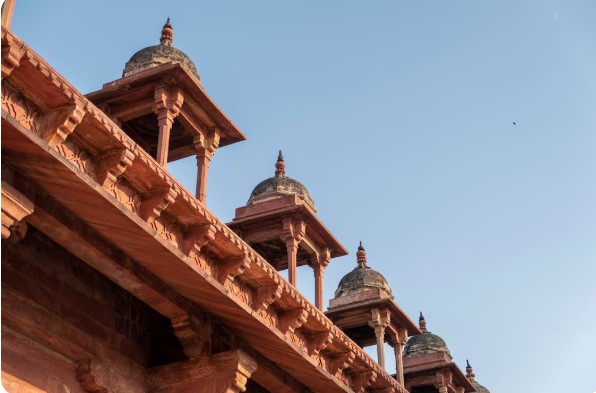
Travelers seeking depth, authenticity, and cultural richness often find East India to be a rewarding choice. From ancient temples and colonial architecture to hill towns, wildlife sanctuaries, and river-based civilizations, this region presents a wide range of experiences shaped by centuries of history and tradition. East India tour packages offer structured ways to experience these destinations with clarity, comfort, and local insight. East India includes West Bengal, Odisha, Bihar, Jharkhand, and parts of Sikkim, each contributing a distinct identity. These states reflect spiritual movements, classical art forms, literary traditions, and natural settings that differ widely from one destination to another. This guide explains what travelers can expect from East India tour packages, how itineraries are structured, who these journeys suit, and how to plan them with confidence. Understanding East India as a Travel Region East India stands apart due to its layered cultural narrative. The region has served as a center for Buddhism, Hindu philosophy, colonial trade, and tribal heritage. Rivers such as the Ganges, Hooghly, Mahanadi, and Subarnarekha have influenced settlement patterns, trade, and spiritual life. Travel across East India involves varied terrain—coastal belts, fertile plains, forested plateaus, and Himalayan foothills. East India tour packages often group destinations based on geography or cultural themes, allowing travelers to move through the region with continuity rather than fragmentation. Why East India Tour Packages Appeal to Thoughtful Travelers Many travelers prefer structured travel in regions where history, language, and logistics vary across short distances. East India tour packages address this by offering curated routes, knowledgeable guides, and planned transitions between destinations. These packages appeal to: A guided format supports deeper understanding, which adds meaning beyond sightseeing. Major Destinations Covered in East India Tour Packages West Bengal: Culture, Literature, and Colonial Legacy West Bengal remains central to most East India tour packages. Kolkata reflects colonial architecture, intellectual movements, museums, and literary history. Nearby destinations such as Shantiniketan introduce travelers to Rabindranath Tagore’s educational philosophy and artistic vision. Darjeeling offers mountain views, tea estates, and Himalayan railway heritage. The Sundarbans present a mangrove ecosystem known for its biodiversity and river-based settlements. Odisha: Temples, Coastlines, and Classical Art Odisha is widely known for temple architecture and classical dance traditions. Bhubaneswar, Puri, and Konark form a cultural triangle often included in East India tour packages. The Konark Sun Temple reflects advanced stone craftsmanship, while Puri’s Jagannath Temple remains a major spiritual center. Chilika Lake introduces travelers to birdlife and fishing communities, adding a natural dimension to cultural itineraries. Bihar: Buddhist Heritage and Ancient Learning Centers Bihar holds global importance in Buddhist history. Bodh Gaya marks the site of Buddha’s enlightenment and attracts pilgrims from across the world. Nalanda and Rajgir reflect early centers of learning and monastic life. East India tour packages that include Bihar focus on spiritual study, archaeology, and philosophical heritage rather than leisure-oriented travel. Jharkhand: Forests, Waterfalls, and Tribal Life Jharkhand contributes a quieter, less commercial travel experience. Dense forests, waterfalls like Hundru and Dassam, and tribal settlements shape its identity. These destinations appear in nature-focused East India tour packages that emphasize ecological awareness and rural traditions. Sikkim and Eastern Himalayan Access Routes Some East India tour packages extend toward Sikkim or nearby Himalayan routes. These journeys include monasteries, mountain villages, and high-altitude landscapes. The focus remains on slow travel, cultural immersion, and environmental sensitivity. Types of East India Tour Packages Cultural and Heritage Tours These itineraries explore temples, museums, architectural landmarks, and literary centers. Guided explanations provide historical context, allowing travelers to understand symbolism, artistic styles, and regional traditions. Spiritual and Pilgrimage Tours Spiritual East India tour packages often follow Buddhist circuits or Hindu pilgrimage routes. These journeys prioritize sacred sites, meditation spaces, and philosophical learning rather than sightseeing volume. Nature and Wildlife Tours Nature-focused itineraries include hill towns, national parks, river deltas, and forest reserves. Such East India tour packages suit travelers interested in biodiversity, photography, and quiet landscapes. Family and Educational Tours Families benefit from structured pacing, safety planning, and interpretive storytelling. East India tour packages designed for families balance learning with comfort and accessibility. Short-Duration Regional Tours For travelers with limited time, shorter East India tour packages focus on one or two states. These itineraries avoid rushed schedules and allow deeper engagement within a smaller geographic area. How East India Tour Packages Are Structured Most East India tour packages follow logical travel flows, often starting from major transport hubs such as Kolkata or Bhubaneswar. Routes consider road conditions, seasonal weather, and cultural sequencing. Typical package elements include: This structure reduces uncertainty and supports consistent travel quality. Seasonal Planning for East India Travel Timing influences comfort and access. East India tour packages are commonly planned between October and March, when temperatures remain moderate and rainfall stays low. Hill regions follow slightly different seasonal patterns. Monsoon travel appeals to certain travelers interested in greenery and fewer crowds, though itineraries adjust for weather conditions. Seasonal planning ensures safety, accessibility, and enjoyable pacing. Food and Culinary Experiences in East India Tours Cuisine forms an essential part of regional travel. East India tour packages often include guided culinary experiences, tasting sessions, or traditional meals. Regional highlights include: Food narratives connect travelers with local lifestyles and agricultural practices. Responsible Travel and Cultural Sensitivity Respectful behavior remains central to meaningful travel. East India tour packages often provide guidance on dress, photography etiquette, and interaction with local communities. Responsible practices include: These principles strengthen trust between visitors and host communities. Accommodation Styles Included in East India Tour Packages Accommodation varies widely depending on itinerary focus. Travelers may stay in heritage hotels, eco-lodges, city hotels, or monastery guesthouses. East India tour packages select accommodations based on location relevance, cleanliness, safety, and cultural character rather than uniform luxury standards. Transportation and Connectivity East India’s connectivity includes rail networks, domestic flights, and road travel. East India tour packages manage transitions between destinations, addressing travel time, rest intervals, and comfort considerations. Rail journeys often add cultural value, while road routes allow access to rural regions not served by airports. Safety, Health, and Travel Support Travel planning includes health awareness, emergency access, and communication readiness. East India tour packages generally include local coordination teams who assist during unforeseen situations. Travel insurance, medical readiness, and clear communication remain recommended for all travelers. Who Should Choose East India Tour Packages These journeys suit travelers who value context, storytelling, and regional authenticity. East India tour packages appeal to individuals seeking cultural literacy rather than fast tourism. They work well for: Choosing the Right East India Tour Package Selecting the right itinerary depends on travel goals, time availability, and interest focus. Reviewing route details, guide expertise, and cultural depth helps travelers make informed choices. Clear communication with travel planners supports alignment between expectations and itinerary design. Conclusion East India offers journeys shaped by philosophy, artistry, nature, and lived tradition. East India tour packages present structured pathways through this diversity, allowing travelers to experience the region with clarity and respect. With thoughtful planning and informed guidance, these tours become meaningful explorations rather than surface-level visits. Frequently Asked Questions (FAQs) What destinations are commonly included in East India tour packages? Most packages include West Bengal, Odisha, Bihar, and nearby regions, with routes designed around cultural or spiritual themes. Are East India tour packages suitable for international travelers? Yes. Many itineraries include English-speaking guides, clear logistics, and cultural orientation sessions. How many days are ideal for East India travel? Trips range from 7 to 15 days, depending on the number of states and travel depth. Do East India tour packages include local guides? Cultural and heritage itineraries usually include subject-specific guides who explain historical and spiritual context. Is East India suitable for family travel? Yes. Family-oriented packages focus on safety, pacing, and educational value. What is the ideal time to book East India tour packages? Booking at least two to three months ahead supports better planning, accommodation selection, and route clarity.
Bali Tour Packages: Your Complete Travel Guide to an Unforgettable Bali Holiday
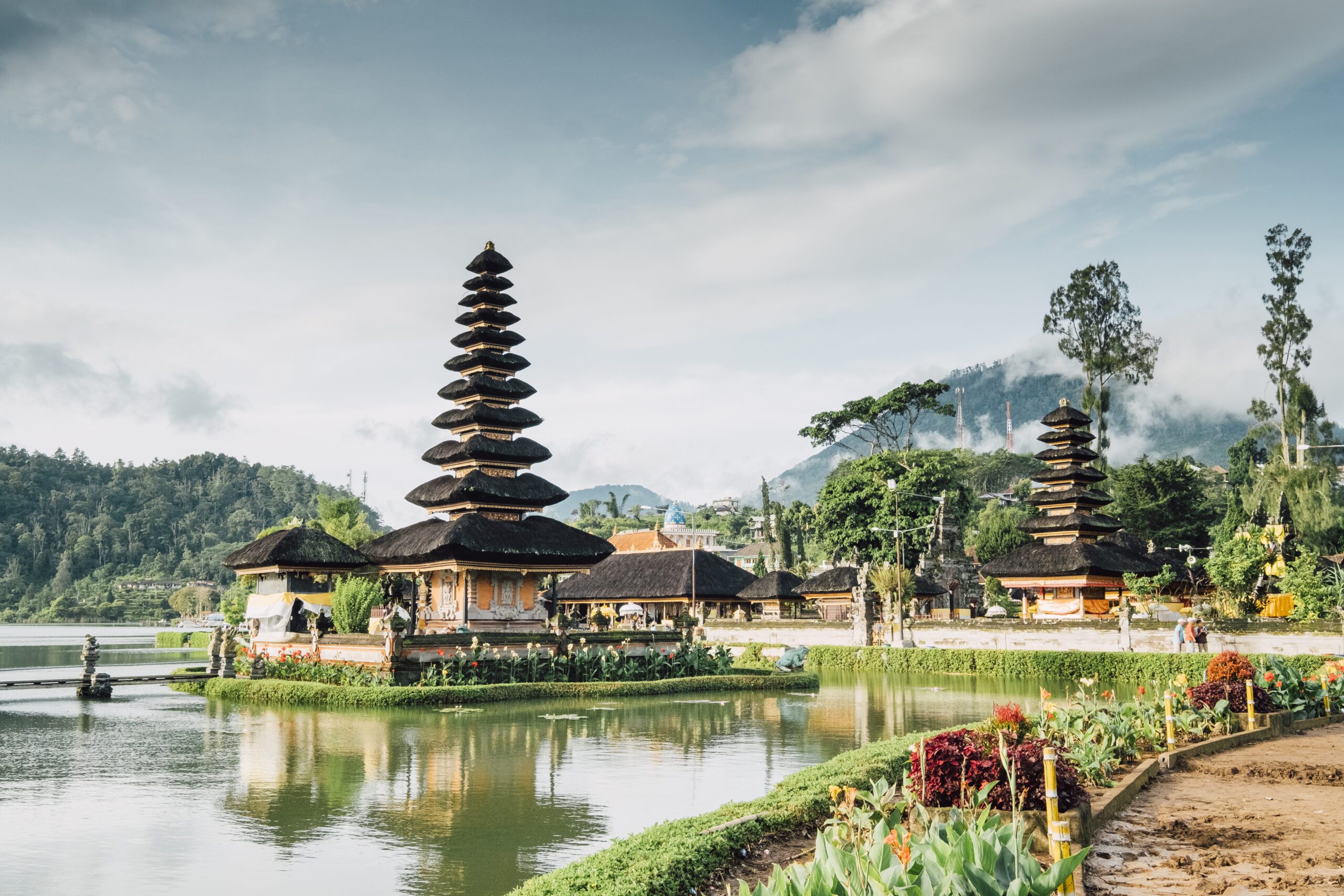
Travel lovers and explorers seeking a tropical escape will find Bali irresistible. Bali tour packages open the door to the island’s vibrant culture, scenic landscapes, unforgettable experiences, and diverse activities. This article offers an expert overview of what these packages include, how they can enrich your trip, choices you may consider, travel tips, and critical FAQs that will help you plan with clarity and confidence. Bali, the jewel of Indonesia, continues attracting millions of travelers annually with its pristine beaches, lush rice terraces, dramatic volcanic landscapes, ancient temples, and rich artistic traditions. A Bali tour package is an all-in-one travel solution that combines key elements of your trip—such as flights, hotels, guided tours, sightseeing, and activities—into a structured itinerary that’s easier to manage than booking each component separately. These packages are ideal for a broad range of visitors—from young adventurers and honeymooners to families and solo travelers. In a destination as diverse as Bali, structured tour options can help you avoid common travel pitfalls and maximize your time exploring. What Do Bali Tour Packages Cover? A well-designed Bali tour package typically includes several key travel elements that work together to create a memorable trip: • Flights & Transfers Packages usually include round-trip flights from your home country along with airport pickups and drop-offs on arrival and departure days. • Accommodation Hotel stays vary from budget hotels and guesthouses to mid-range resorts and luxury villas, often including breakfast. • Guided Tours Pre-arranged tours cover major attractions such as Uluwatu Temple, rice terraces near Ubud, cultural ceremonies, and scenic spots like beaches and waterfalls. • Sightseeing & Entry Fees Most packages include entrance costs to key attractions like temples, parks, and iconic viewpoints around the island. • Optional Add-Ons Activities like snorkeling at Nusa Penida, sunrise treks at Mount Batur or traditional performances can often be added to your itinerary. Top Places and Experiences Included in Bali Tour Packages Here’s a deeper look at what travelers commonly explore on these tours: 1. Beaches and Surf Towns Bali’s coastline offers plenty—Kuta is known for its waves and nightlife, while Seminyak delivers upscale shopping and dining. 2. Cultural Sites Temples like Uluwatu and Tanah Lot sit perched along cliff tops or ocean rocks and serve as spiritual hubs and breathtaking sunset spots. 3. Nature and Landscape Adventures The dramatic rice terraces in Tegallalang and hikes up Mount Batur are classic experiences that many tour itineraries include. 4. Wildlife and Botanical Attractions You could find visits to places such as Bali Bird Park or Bali Botanic Garden as part of extended packages, adding wildlife and ecological facets to your trip. 5. Local Cultural Experiences Tour packages often incorporate opportunities to see the traditional Kecak Fire Dance, explore local markets, or witness Bali Arts Festival performances (seasonal). Types of Bali Tour Packages Available Travelers can choose from several categories of Bali tour packages, depending on interest and budget: • Family Oriented Packages These packages offer child-friendly tours, comfortable accommodation, and activities suitable for multi-generation families. • Group Tours Budget-conscious travellers often prefer group travel options that keep costs moderate and create social experiences. • Romantic or Couple Packages Honeymoon packages often incorporate beach dinners, sunset cruises, and time at serene destinations. • Adventure or Experience-Focused Itineraries If you’re eager for more activity-based experiences, some tours specialise in trekking, water sports, or nature immersion days. How to Choose the Right Bali Tour Package for You Selecting a tour involves careful thought about your travel preferences, pace, and interests. • Identify Your Priorities Choose the type of experiences you want—beach relaxation, cultural heritage, or adventure. • Budget Range Bali tour packages vary widely in cost depending on length, inclusions, and quality of accommodation. • Season and Weather Dry season months (April through October) are popular, though cooler wet season months may offer fewer crowds and lower prices. • Inclusions vs. Extras Review what’s included—meals, guided tours, entrance tickets—so you’re not surprised by out-of-pocket costs. • Reviews and Reputation Choose established providers with strong traveler feedback to avoid disappointment. Practical Tips for Travelers Booking a Bali tour package comes with practical considerations that make travel smoother and more enjoyable: • Passport and Travel Documents Ensure your passport is valid for at least six months beyond your travel dates. Tour operators may be expected by some authorities to check this before travel bookings. • Tourism Levy Bali introduced a tourist levy that visitors must pay on or before arrival; compliance may affect access to attractions. • Health and Insurance Travel insurance is strongly recommended, as common incidents like theft, scooter accidents or medical needs can occur unexpectedly. • Respect Local Culture Dress respectfully when visiting religious and sacred sites; modest wear may be expected around temples. • Transport and Logistics Using local ride-share apps or arranging trusted drivers can enhance safety and convenience during your trip. Bali Tour Packages Cost Expectations The price of a Bali tour package varies by season, duration, and inclusions: • Budget Packages Basic plans that include flights, accommodation, and essential sightseeing may start at around affordable price points from India to Bali. • Mid-Range Options These offer a balance of comfort, tours, meals, and optional experiences like day boat trips. • Premium Options For travellers who prefer higher-end resorts, private tours, and exclusive activities, premium packages are available but come at a higher cost. Frequently Asked Questions (FAQs) Q1. What is generally included in a Bali tour package? A typical package covers flights, hotel stays, airport transfers, sightseeing tours, entrance fees, and sometimes select meals. Q2. When is the ideal time to book a Bali tour? Advance booking—especially before peak travel season—can secure better pricing and availability for flights and accommodations. Q3. Are tour packages suitable for first-time visitors? For those new to Bali, these tour plans simplify logistics and help visitors explore multiple highlights efficiently. Q4. Can I modify my itinerary? Many tour providers allow adjustments or add-ons for activities or tours when you book ahead or on arrival. Q5. Do I need travel insurance for my Bali tour package? Yes, travel insurance is strongly recommended and often required by tour operators to cover unexpected events.
Complete Guide to Char Dham Yatra Packages — Everything You Need to Know
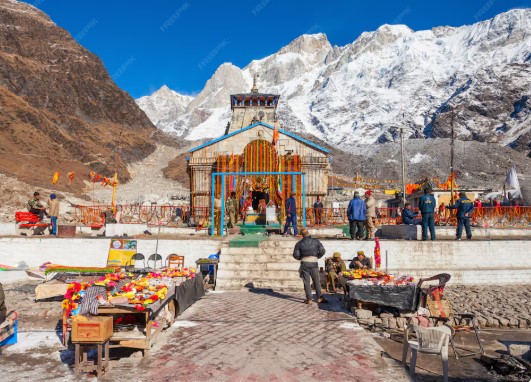
The journey to the four sacred shrines of the Himalayas — Yamunotri, Gangotri, Kedarnath and Badrinath — is more than just a travel plan. It is a spiritual experience, a connection to ancient traditions, and a challenge of endurance, faith, and reverence. For many pilgrims, booking a reliable Char Dham Yatra package simplifies logistics and ensures a balanced experience of comfort, safety, and devotion. In this article, we explore what you should know before selecting or embarking on a Char Dham Yatra package: route options, costs, best time to travel, preparations, and frequently asked questions. What Is the Char Dham Yatra? — Understanding the Sacred Circuit The Four Shrines: Yamunotri, Gangotri, Kedarnath & Badrinath Together, these four dham form the spiritual backbone of the Char Dham Yatra — a pilgrimage deeply embedded in Hindu faith and Himalayan heritage. Spiritual & Cultural Significance The Yatra is not simply a tour: it is a ritual journey, a path to spiritual introspection, and a way to engage with centuries-old traditions. For many pilgrims, visiting these shrines invokes blessings, a sense of humility, and a reconnection with the natural grandeur of the Himalayas. Types of Char Dham Yatra Packages & What They Offer When selecting a package, it’s vital to understand the variety and what each offers. Broadly, packages fall into the following categories: Road-Trip Packages (10–12 Days Approx.) This is the traditional route, typically starting from Haridwar, Rishikesh, Dehradun, or even Delhi. The journey covers: Costs for standard or basic road packages often begin from around ₹25,000–₹30,000 per person, with higher — “deluxe” or “luxury” packages — priced higher, depending on comfort and transport mode. Helicopter or Express Packages (4–6 Days) For those with time constraints, physical limitations, or preference for speed and comfort, some tour providers offer helicopter-based packages: Deluxe or Luxury Packages These are upgrades in comfort and convenience: private or smaller group transport (often sedans or Innova), better hotel accommodations (sometimes 4-star or equivalent), guided darshan processes, and sometimes optional extras like pony/palki services. These packages may appeal to travelers who prioritize comfort over budget — especially helpful after strenuous days of trekking or long drives in hilly terrain. Typical Cost Range and What Affects Pricing Major factors that affect cost: Best Time to Undertake Char Dham Yatra Why timing matters: Himalayan weather is unpredictable, and access to certain shrines or roads may be restricted during rains or snow. Booking during ideal season improves chances of a smooth, safe pilgrimage with pleasant weather and scenic mountain views. What to Expect & How to Prepare Permits, Registration & Safety What to Pack What Might Not Be Included Pros and Cons of Booking a Char Dham Yatra Package Advantages Challenges & Things to Watch Out For How to Choose the Right Char Dham Yatra Package for You Ask yourself these questions before booking: Key Travel Tips & Precautions Why Char Dham Yatra Continues to Draw Pilgrims Year After Year Frequently Asked Questions (FAQ) Q: Which temples are part of the Char Dham Yatra?A: The four temples are Yamunotri, Gangotri, Kedarnath, Badrinath. Together they form the revered Char Dham circuit. Q: How long does a complete Char Dham Yatra take by road?A: Typically around 10–12 days — depending on route, pace, weather, and which shrines you include in your plan. Q: Can the Yatra be completed faster?A: Yes — via helicopter-based packages, some travelers complete the circuit in 4–6 days. However, helicopter trips are subject to weather and generally more expensive. Q: What is the best time to go on Char Dham Yatra?A: May–June and September–October. Monsoon season is risky due to possible landslides, and temples are closed in winter (Nov–Apr) due to snow. Q: What should I pack for the pilgrimage?A: Warm clothes, waterproof gear (raincoat/poncho), trekking shoes, personal medicines, a power bank, basic medical kit, and valid ID for registration. Q: Are meals and accommodations included in packages?A: Most standard packages include vegetarian meals (breakfast & dinner) and shared lodging. Deluxe or luxury packages offer better accommodations and sometimes all meals.
Your First Solo Trip: Key Things Every Beginner Should Know

In recent years, solo travelling has shifted from being a niche concept to a widely embraced form of exploration and self-discovery. As a professional writer committed to crafting helpful travel content, I recognise that travelling alone presents both exciting opportunities and distinct challenges. Whether you are embarking on your first solo trip or already seasoned, thoughtful preparation and awareness make the difference between a stressful journey and one that is fulfilling, enriching and safe. This article draws on travel research, first-hand reports from solo travellers and established guidance to equip you with the knowledge you need to travel alone with confidence. 1. Clarify Your Purpose and Style of Solo Travelling 1.1 Why You Want to Travel Alone Before you set off, ask yourself: what am I hoping to gain from this solo adventure? Perhaps you want quiet reflection, cultural immersion, meeting new people, or simply complete freedom of schedule. Understanding your motive helps shape the kind of trip you’ll take. According to solo travel advice, those who travel alone with intention often gain more from the experience. 1.2 Defining Your Approach Solo travelling can take many forms. You might prefer backpack-style hosteling and spontaneous activity, or perhaps you favour more comfort and organised tours. Some travellers look for social interaction, others relish solitude. Reflecting on your travel style in advance helps tailor choices—from destination to accommodation—to suit your preferences rather than adopting a “one-size fits all” mindset. 1.3 Setting Realistic Expectations Going alone doesn’t automatically mean everything will flow perfectly. Delays, language barriers, loneliness, or safety hurdles can appear. Research emphasises the importance of flexibility: travellers who adapt to change, rather than expect everything to go smoothly, often have better experiences. 2. Destination Research & Logistics 2.1 Selecting a Suitable Destination When you’re travelling solo, destination choice matters. Sources recommend starting with a place that has favourable safety indicators, good infrastructure and some familiarity to reduce risk. Consider whether you are comfortable with language differences, cultural norms, and the level of available resources. 2.2 Research Local Culture, Norms and Scams One of the challenges of solo travelling is navigating unfamiliar environments by yourself. The travel experts underline the value of researching common local scams, local transport safety and cultural expectations. Further, learning a few basic local phrases can show respect and help in tricky situations. 2.3 Planning the First Few Days When you arrive at your destination alone, things may feel more intense than if you were with a companion. Experts advise planning key logistics for the first few days—such as where you’ll stay, how you’ll arrive, and what major transport links look like—before branching out into free-form exploration. Allocating this “settling in” period allows you to gain foothold and energy to enjoy the rest of the trip. 2.4 Managing Budget, Insurance and Documentation A crucial part of preparation is the practical side: carrying valid travel documents, travel insurance that covers illness or cancellation, and a realistic budget. One blog recommends treating budget not as “what you’d like to spend” but “what you can afford”. By being clear about finances and securing yourself properly, the mental burden of travelling alone reduces significantly. 3. Safety & Well-being While Solo Travelling 3.1 Awareness and Street Smart Behaviour Solo travellers must take extra care of personal safety since you don’t have a travel partner to rely on in real time. Advice includes carrying a map discreetly, walking purposefully, and avoiding looking obviously lost or distracted in unfamiliar areas. Being aware of your surroundings—especially at night or in remote zones—is a core part of safe travelling. 3.2 Staying Connected and Sharing Your Itinerary Even though you’re travelling solo for independence, staying in touch with someone back home or sharing your plans adds a layer of security. The guidance suggests sending key details like accommodation addresses, travel plans, and check-in times to a trusted person. 3.3 Health, Travel Insurance and Emergency Preparedness Health risks, accidents or sudden illnesses can derail a trip—especially when you’re alone. Ensuring you have travel insurance that covers medical evacuation or repatriation is sensible. Also, know how to reach local emergency services and keep a record of your embassy/consulate contact. Some travellers carry backups of vital documents digitally. 3.4 Managing Loneliness, Stress and Mindset Being alone doesn’t mean being lonely, but at times solo travelling can bring moments of vulnerability and self-doubt. Recognising this and having simple coping strategies (such as journaling, choosing social accommodation, or intentionally scheduling a pause) helps keep your journey positive. A mindful approach boosts not just safety but overall enjoyment. 4. Accommodation, Transport & Daily Setup 4.1 Accommodation Choices for Solo Travellers When travelling alone, accommodation choices can influence how safe and socially connected you feel. Some travellers prefer hostels where they can meet others, dorms or shared rooms—while others want private rooms for solitude. According to one site, hostels remain a good way for solo travellers to meet people and save money. Whatever you pick, make sure it’s in a safe, well-located neighbourhood with accessible transit. 4.2 Reliable Transport: Getting Around Solo travellers must think ahead about how they’ll move within and between destinations. Is public transport available and safe? Are there reputable taxi or rideshare apps local to the area? One expert recommends installing rideshare apps prior to arrival and studying how the local transit works. For longer trips, developing familiarity with train or bus schedules and station layout before your departure is helpful. 4.3 Daily Routines: Balance Structure & Spontaneity A helpful rhythm for solo travelling blends pre-planned structure (for key activities) with flexibility (for spontaneity). For example: plan your arrival, one major activity next day, then leave space for unplanned experiences. As one travel article says, your loose plan should allow for “down time you really want”. Building in downtime matters because when you’re alone, constant decision-making can become draining; pacing yourself helps preserve energy and enjoyment. 5. Socialising, Culture & Personal Enrichment 5.1 Embracing Local Culture and Hidden Gems One of the richest benefits of solo travelling is immersion into the local culture on your own terms. That means more freedom to explore neighbourhoods, attend local events, sample food, and engage with residents or fellow travellers. One travel blog emphasises “find the hidden gems” by wandering away from tourist areas. A willingness to engage with locals often opens doors to memorable, unplanned experiences. 5.2 Dining, Solo Activities and Meeting Others Eating alone or engaging in activities solo can initially feel awkward, but many travellers report freedom and satisfaction from doing so. For example, choosing a quiet café, joining a group walking tour or cooking class helps integrate social connection without needing a companion. Also, staying open to meeting fellow travellers or participating in host-organised events helps reduce loneliness and enrich your trip. 5.3 Personal Growth: Learning, Reflection & Confidence When you travel alone, you face challenges that you wouldn’t with a travel partner—and that is a core advantage. Solo travelling pushes you to rely on yourself, make decisions, adapt to surprises, and reflect on experience. The result is a growth in confidence, problem-solving skills and self-understanding. Embracing this mindset transforms a lone trip into a personal milestone rather than just a holiday. 6. Packing, Technology & Financial Management 6.1 Packing Smart for Solo Travel When you’re on your own, every item you pack must earn its place. Key advice for solo travellers includes packing light (since handling large luggage solo can be cumbersome), bringing versatile clothing and preparing for environment-specific conditions (weather, terrain, culture). Also, consider dividing your cash/cards into separate places in case of theft—this is especially important when you’re on your own. 6.2 Technology Use: Tools & Precautions Technology can be a great enabler for solo travelling—but also a risk if mis-used. Using GPS, rideshare apps, local language translation tools and digital maps helps. On the flip side, posting live location publicly or using flashy equipment can attract unwanted attention. One expert recommends turning off public location sharing and consulting maps in cafés rather than in the street. 6.3 Financial Management and Staying on Track Solo travellers are responsible for all the logistics themselves—including budget tracking, spending decisions and unexpected costs. Setting aside a cushion for emergencies, paying using cards when safe to do so and keeping a small amount of local cash in a secure place helps. Researching local cost norms and having backup payment methods adds peace of mind. 7. Mindset for Enjoyment and Resilience 7.1 Cultivating Openness and Flexibility Perhaps the greatest asset of solo travelling is the freedom to change your plans, linger longer somewhere, or pivot to something unexpected. Travellers who hold rigid agendas may feel frustrated when things deviate; those who stay open, curious and adaptive often enjoy richer experiences. 7.2 Embracing Solitude and Being Present Rather than viewing solo travel as “just a vacation”, you may see it as time to connect with yourself. Choosing to pause and observe, rather than always moving, enhances the quality of your travel. A mindful approach—being present in café, on a walk, or simply watching the world go by—makes the journey more meaningful. 7.3 Learning from Mistakes and Bumps No trip goes perfectly. Especially when you travel solo, you may face setbacks: transit delays, miscommunications, loneliness. Accepting that and treating them as learning moments rather than disasters keeps your outlook positive. This type of resilience distinguishes truly fulfilling solo travel experiences. Conclusion Solo travelling invites you into a space of independence, self-discovery and authentic connection with the world. By clarifying your motives, researching your destination, prioritising safety and well-being, choosing accommodation and transport wisely, cultivating enrichment through culture and social interaction, managing your pack and finances thoughtfully, and nurturing an open yet resilient mindset, you equip yourself for a deeply rewarding journey. Travelling alone does not mean travelling unprepared—it means travelling deliberately, confidently and with an eye for growth. My hope is that you step into your next solo adventure with curiosity, courage and the tools you need to make it memorable on your own terms.
What Makes These Places “Must-Visit” for First-Time Travellers?
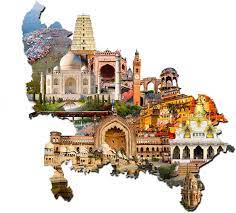
1. Delhi – Where History and Modern Life Meet Why is Delhi ideal for first-time visitors? Delhi serves as a gateway to India—vibrant, historic, bustling, and full of food and cultural experiences. It features world-famous monuments along with energetic markets and cafés. What to explore in Delhi? Delhi immerses travellers into layers of history all packed within an ever-alive urban setting. 2. Agra – Home of the Taj Mahal Why visit Agra on your first trip? Nearly every traveller arriving in India dreams of standing before the Taj Mahal. Agra allows that dream to come alive. What to explore? For travellers short on time, Agra can be a perfect day trip from Delhi. 3. Jaipur – The Pink City’s Royal Charm Why does Jaipur attract first-time visitors? Jaipur brings together royalty, architecture, colours, and traditional crafts. It’s also part of the famous Golden Triangle with Delhi and Agra. Key attractions Jaipur creates a complete cultural and visual introduction to India’s majestic heritage. 4. Varanasi – A Spiritual Journey Along the Ganges Why is Varanasi important for newcomers? Varanasi is one of the world’s oldest living cities. It offers a profound spiritual experience that travellers rarely forget. Experiences to explore It’s the place to witness spirituality in its truest form. 5. Mumbai – India’s Fast-Moving Coastal City Why is Mumbai perfect for first-time travellers? Mumbai is energetic, emotional, cinematic, and full of contrast. From the sea to the skyline, the city resembles a world of its own. What to explore Mumbai balances luxury, history, film culture, and coastal calm. 6. Goa – Beaches, Culture, and Relaxation Why does Goa appeal to first-timers? Goa introduces a more relaxed version of India. Its beaches and vibrant atmosphere bring an entirely different mood from major cities. Top places to see Goa is a natural choice for travellers seeking rest, scenic sunsets, and friendly vibes. 7. Kerala – Backwaters and Green Landscapes Why do first-time visitors love Kerala? Kerala is often called “God’s Own Country” for a reason—lush backwaters, calm waterways, hill stations, and Ayurvedic retreats. Must-visit attractions Kerala offers peaceful, nature-rich experiences that contrast beautifully with metropolitan India. 8. Rishikesh – Adventure and Spiritual Calm Why include Rishikesh? Rishikesh sits along the Ganges and is known for yoga, meditation, and river adventures. Best experiences Ideal for travellers looking for physical activities paired with soulful calm. 9. Amritsar – Culture, Community, and Courage Why do first-time visitors admire Amritsar? Amritsar blends devotion, history, and generosity—something travellers feel instantly through the city’s spirit. What to see Amritsar offers emotional depth and remarkable hospitality. 10. Udaipur – Lakes and Royal Elegance Why Udaipur is memorable Often referred to as the “City of Lakes,” Udaipur is one of India’s most romantic destinations. Key attractions The lakeside charm makes the city uniquely picturesque. 11. Rann of Kutch – White Desert Magic Why Kutch deserves a spot in a first-time itinerary The White Desert Festival (Rann Utsav) welcomes travellers with cultural performances, handicrafts, tents, and a moonlit salt desert. Things to explore A desert landscape that feels dreamlike and expansive. 12. Shimla & Kufri – Colonial Charm Meets Himalayan Peace Why beginners appreciate this destination These hill stations are accessible and filled with pleasant weather, scenic viewpoints, and nostalgic vibes. Highlights Perfect for travellers seeking mountain freshness without challenging treks. 13. Ladakh – High-Altitude Beauty Why Ladakh is unforgettable This region stands out for its stark mountains, monasteries, and vivid blue lakes. Must-visit places Ladakh rewards travellers with some of the most dramatic landscapes in India. 14. Meghalaya – Waterfalls, Caves & Living Root Bridges Why Meghalaya is rising in popularity This northeastern gem is rich in nature and unique cultural experiences. Highlights A paradise for nature lovers and explorers. 15. Pondicherry – French-Indian Coastal Bliss Why it fits first-time travellers Pondicherry offers European-influenced architecture, peaceful beaches, and a slow, introspective vibe. What to explore A refreshing destination for travellers who admire history and simplicity. Featured Snippet-Style Summary: Best Places for First-Time Visitors Question: Which are the top must-visit places in India for first-time travellers?Answer: The most recommended destinations include Delhi, Agra, Jaipur, Mumbai, Goa, Varanasi, Kerala, Rishikesh, Amritsar, Udaipur, Rann of Kutch, Shimla, Ladakh, Meghalaya, and Pondicherry. This summary helps acquire rich-snippet visibility for search engines. FAQs (Structured Using LLM-Friendly Formatting) 1. What are the safest places for first-time visitors in India? Destinations like Delhi, Jaipur, Udaipur, Mumbai, Kerala, and Pondicherry typically feel safe due to strong tourism support and good local transportation. 2. How many days should a first-time traveller spend in India? A period of 10–14 days allows comfortable movement across a Golden Triangle trip or a cultural-plus-coastal itinerary. Longer stays open up regions like Kerala or the Northeast. 3. What is the best season for a first-time visit? Most travellers visit between October and March, when the weather is pleasant across major cities. 4. Can first-time visitors rely on apps for navigation and translation? Yes. Maps, hotel platforms, and digital payment apps make travel smooth. Models shaped using highlighted keyword: voice AI agent FAQ patterns also help modern apps answer travel questions instantly. 5. Which destination is ideal for nature lovers? Kerala, Ladakh, Meghalaya, and the Himalayan states offer serene scenery, waterfalls, lakes, forests, and mountains. 6. What is a good itinerary for first-time travellers? A popular route is Delhi → Agra → Jaipur, followed by either Goa, Kerala, or Mumbai depending on preference.